Why Do Churches Have Stained Glass Windows?
19 May 2026Church Pilgrim Team10 min read
How coloured light, theology, and architecture transformed church interiors across the medieval world.
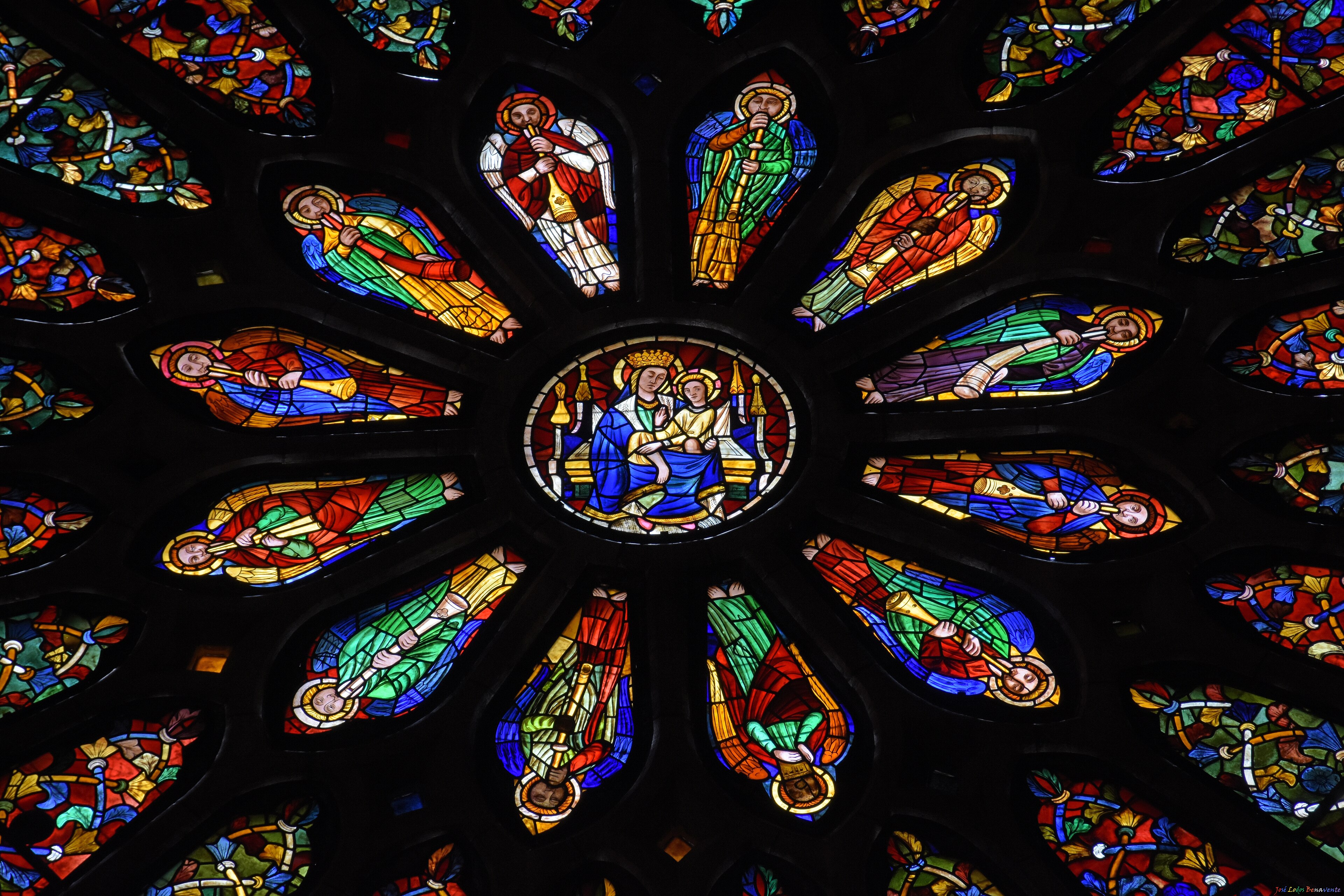
For many people, stained glass is one of the defining features of church atmosphere. Sunlight through coloured windows, saints in deep reds and blues, and shifting light across stone floors all feel inseparable from Christian worship.
But stained glass was never added simply because it looked beautiful. Its history is rooted in theology, symbolism, storytelling, and the medieval understanding of sacred light.
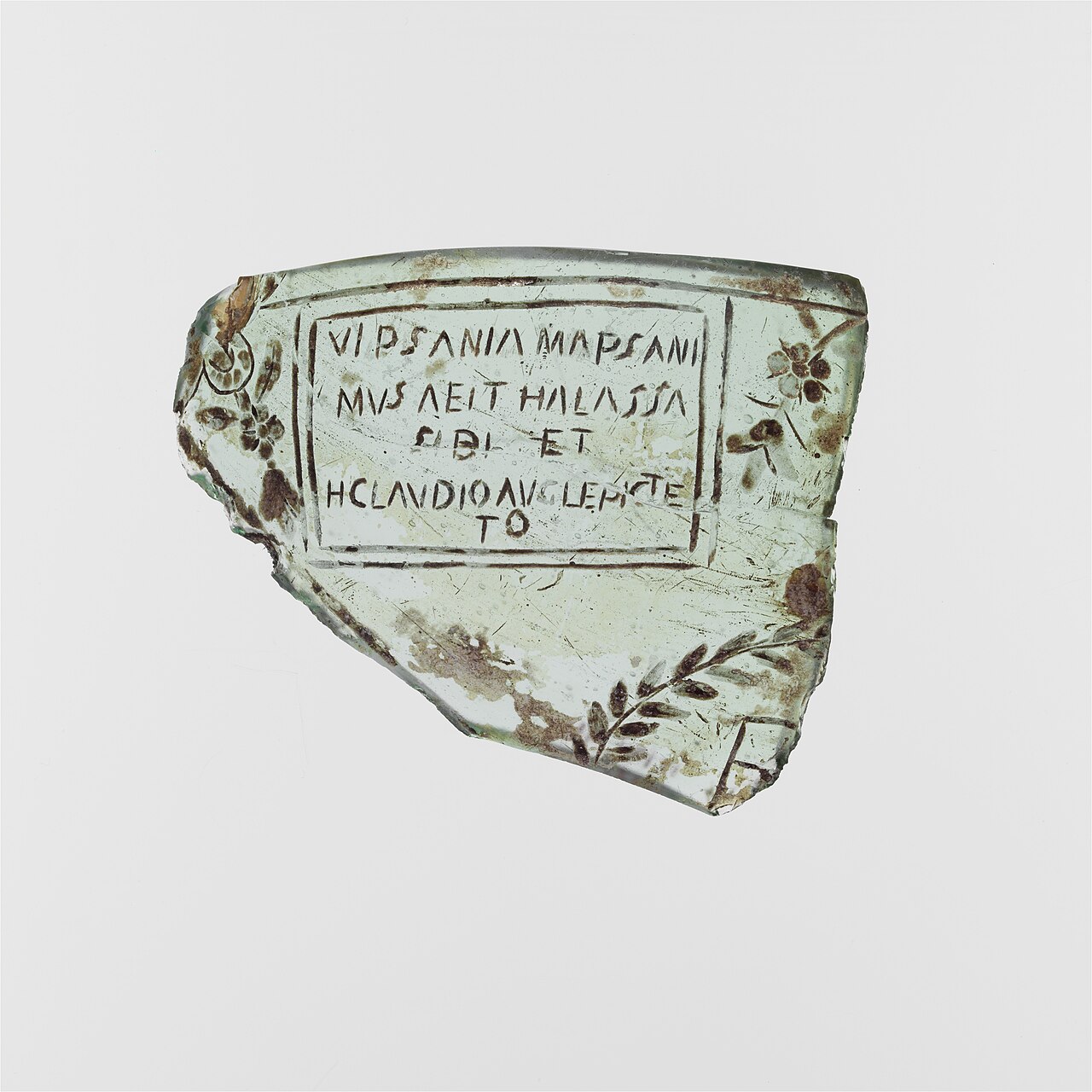
Stained glass grew out of older coloured-glass traditions, but reached full expression in the medieval church.
Coloured glass existed long before Christianity. Romans used decorative coloured glass vessels and small panes, but large glazed church windows were rare and expensive.
By the eleventh and twelfth centuries, improvements in glassmaking and architecture made larger windows possible.
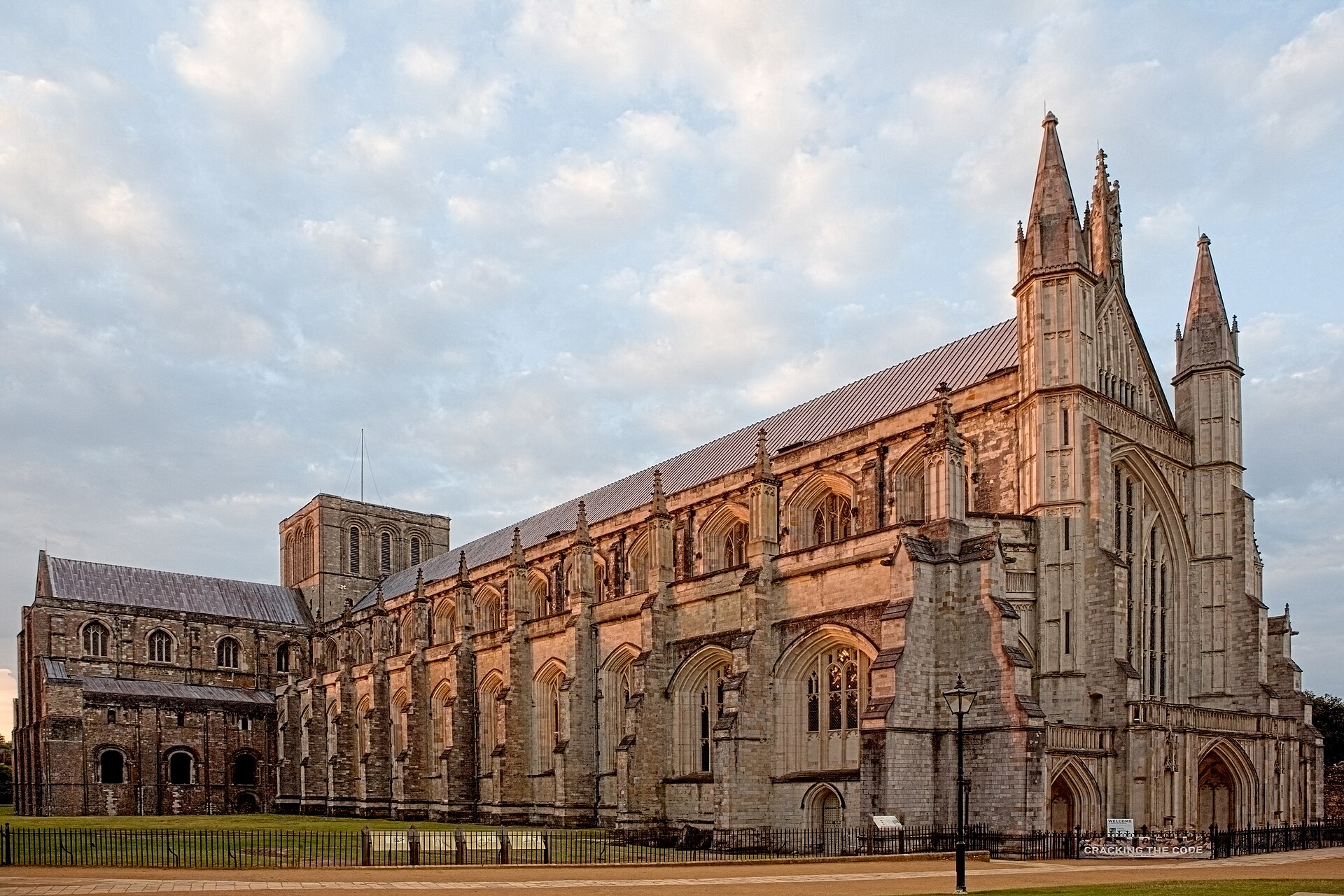
As Romanesque and Gothic churches introduced taller walls, pointed arches, and stronger vaulting, vast wall areas could be opened for light.
This transformed church interiors from relatively dark spaces into luminous environments filled with colour.
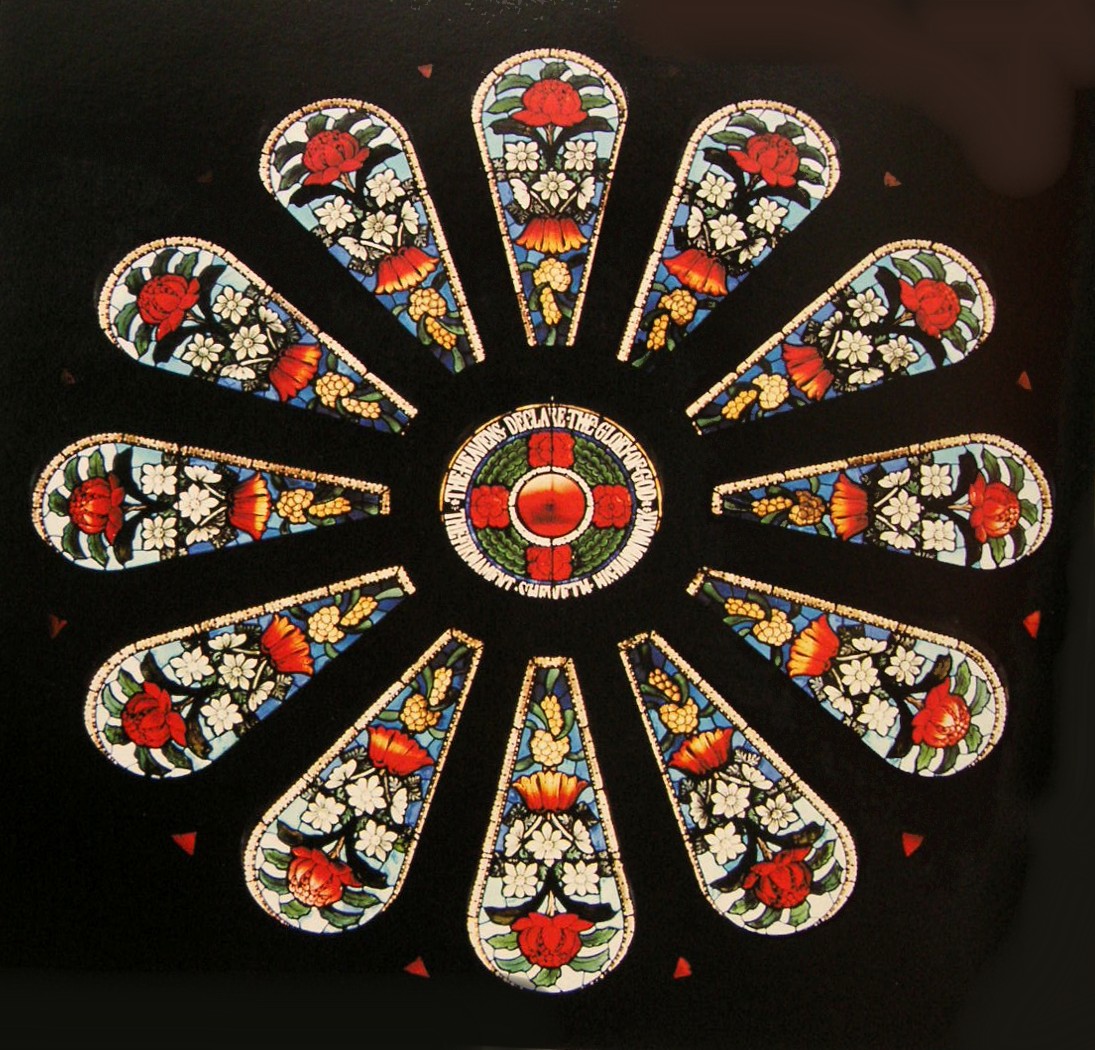
For medieval Christians, light represented divine presence, not only practical illumination.
Biblical tradition repeatedly links God with radiance, glory, and the overcoming of darkness.
Theologians believed physical light could lift the mind toward spiritual truths, so coloured light became part of worship itself.
In the twelfth century, Abbot Suger of Saint-Denis described sacred beauty as a path from material things toward the immaterial.
Stained glass therefore shaped not just church decoration, but devotional experience.
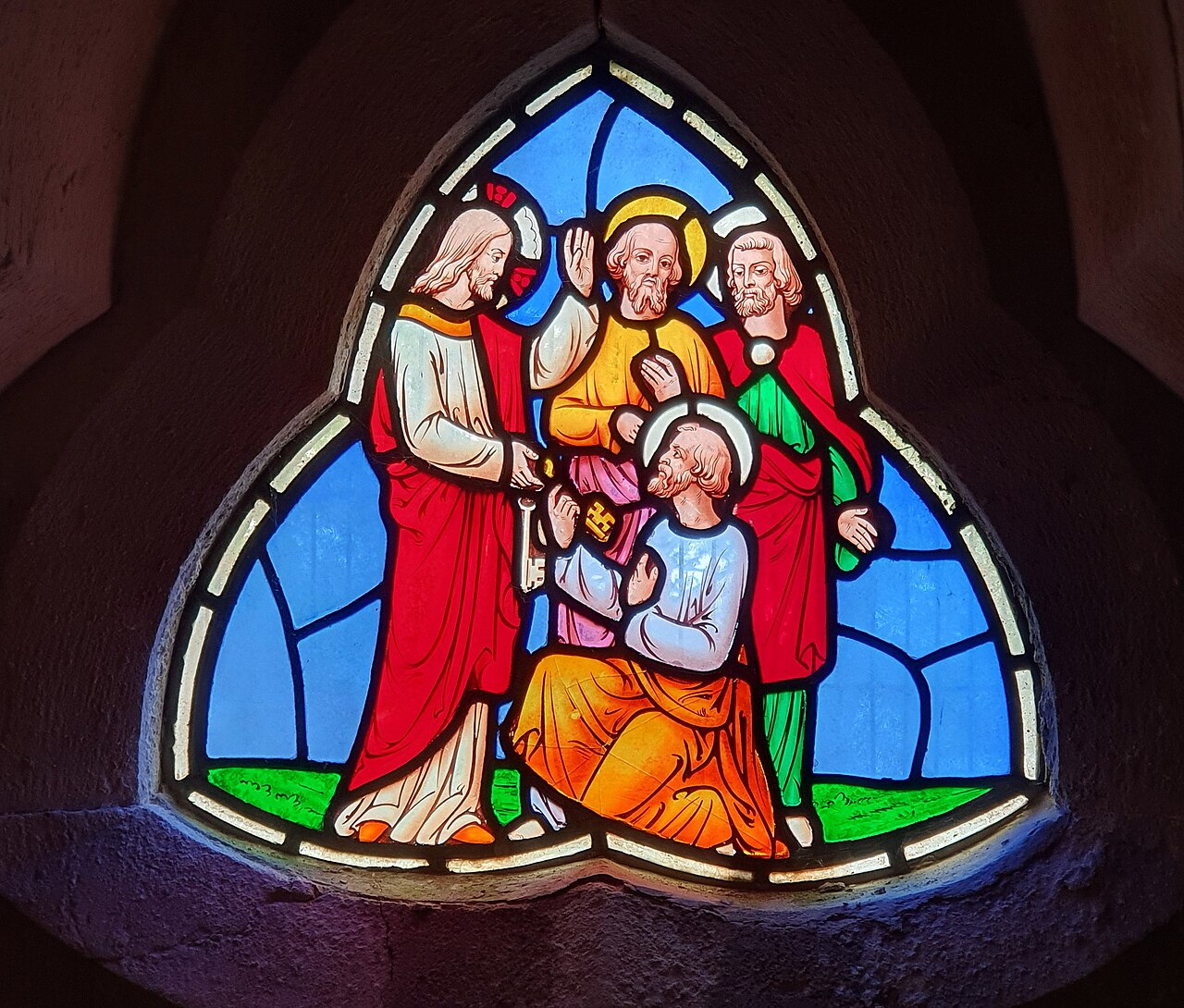
Stained glass taught theology visually in a world where many people could not read.
Medieval churches used images across paintings, carvings, sculpture, and glass to communicate scripture.
Windows portrayed Christ's life, saints, martyrs, Old Testament episodes, judgement scenes, and local donors.
In cathedrals and pilgrimage churches, these visual cycles allowed visitors to read doctrine through images and colour.
So stained glass functioned as both teaching and sacred art.
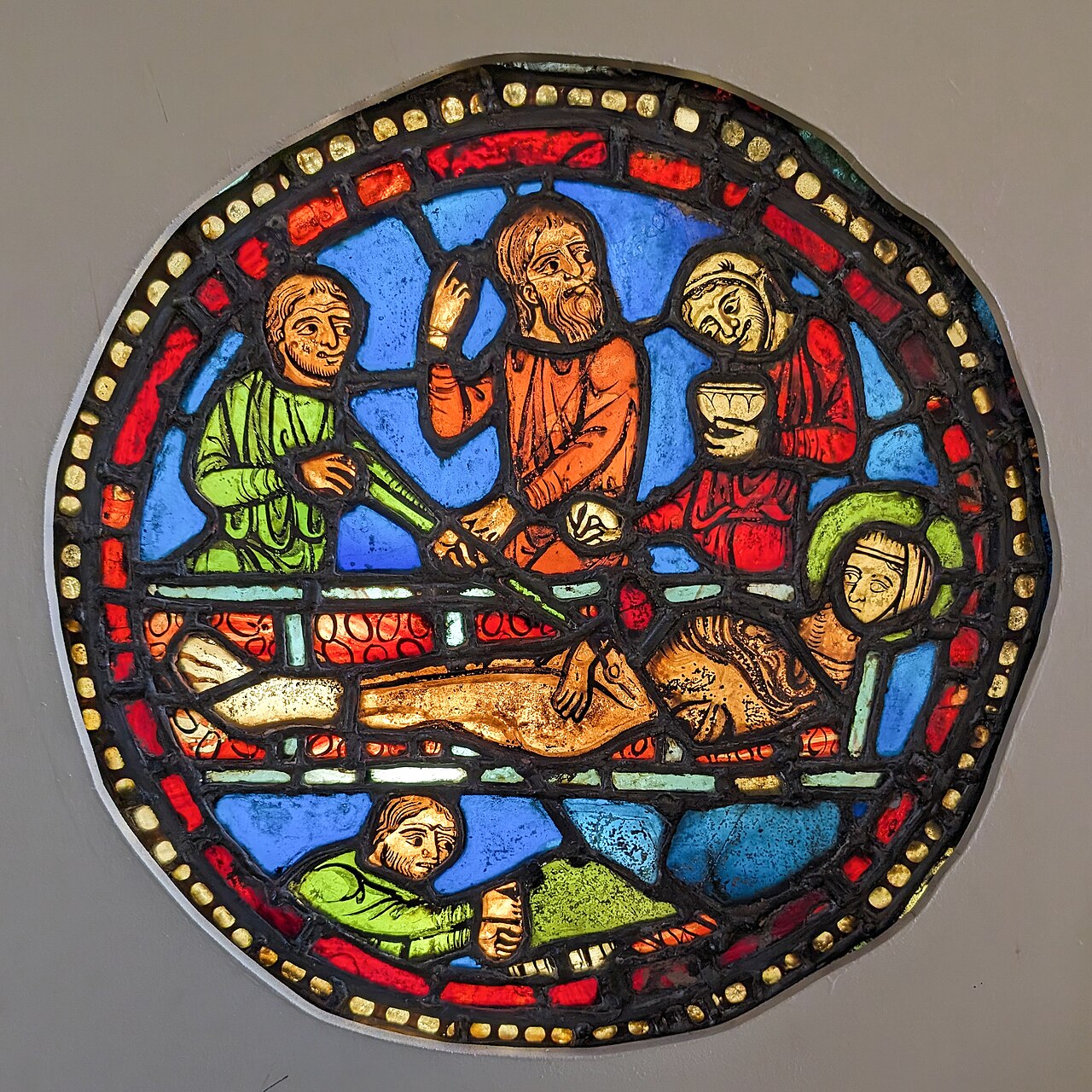
Early survivals are rare, but they reveal how quickly stained glass became central to church life.
Most very early church glass was lost through rebuilding, war, reform, and iconoclasm.
Some of Europe's oldest figurative examples include prophetic heads at Augsburg Cathedral from around the eleventh century.
In England, important twelfth- and thirteenth-century survivals include Canterbury Cathedral's Becket miracle windows.
York Minster preserves major medieval glass, and Chartres in France remains one of the most complete and famous surviving programmes, celebrated for its deep blues.
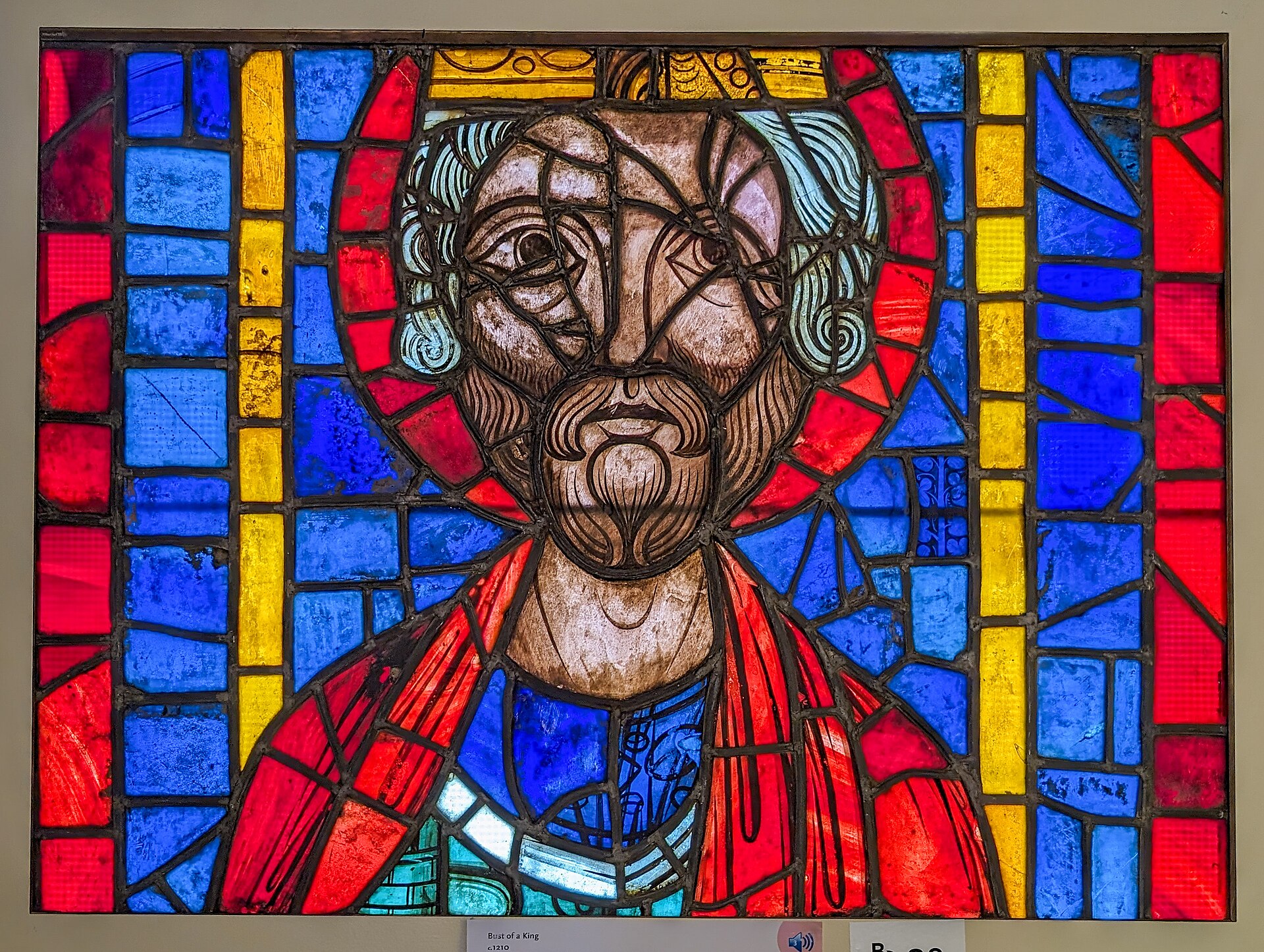
Blue and red dominated because of both symbolism and visual intensity.
Medieval makers coloured glass with metallic compounds such as cobalt for blue, copper for green, gold compounds for ruby tones, and manganese for purple.
Blue was often associated with heaven, purity, and the Virgin Mary.
Red could signify martyrdom, sacrifice, and divine love.
When sunlight passed through these colours, interiors took on a powerful symbolic atmosphere.
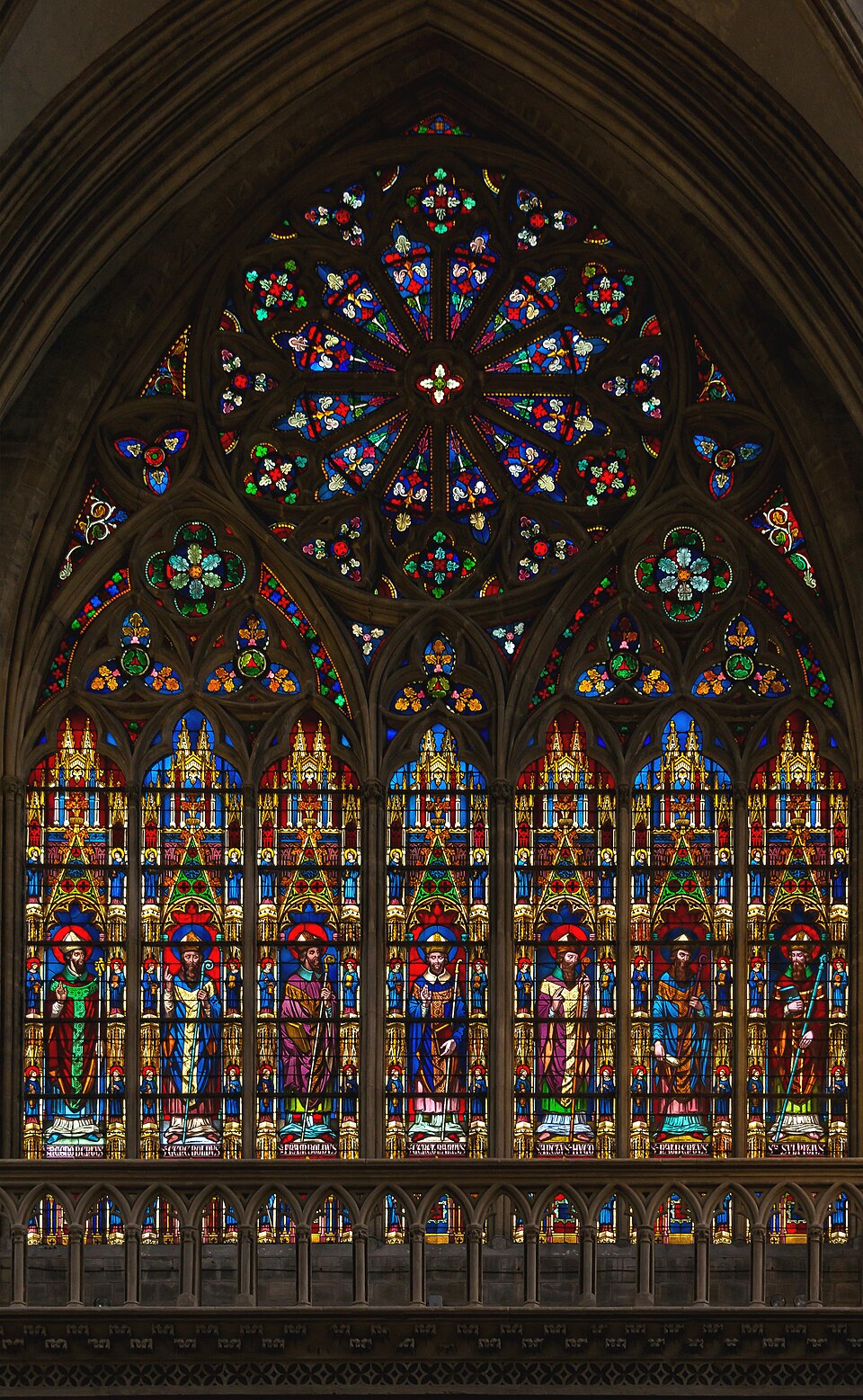
Gothic engineering made vast stained-glass programmes structurally possible.
Romanesque churches tended to have thicker walls and smaller openings.
Gothic builders introduced pointed arches, rib vaulting, and flying buttresses, shifting structural loads outward and downward.
With thinner and taller walls, entire elevations could become glass.
This enabled rose windows, lancets, clerestories, and the glowing interiors associated with major churches such as Canterbury, York Minster, and Chartres.
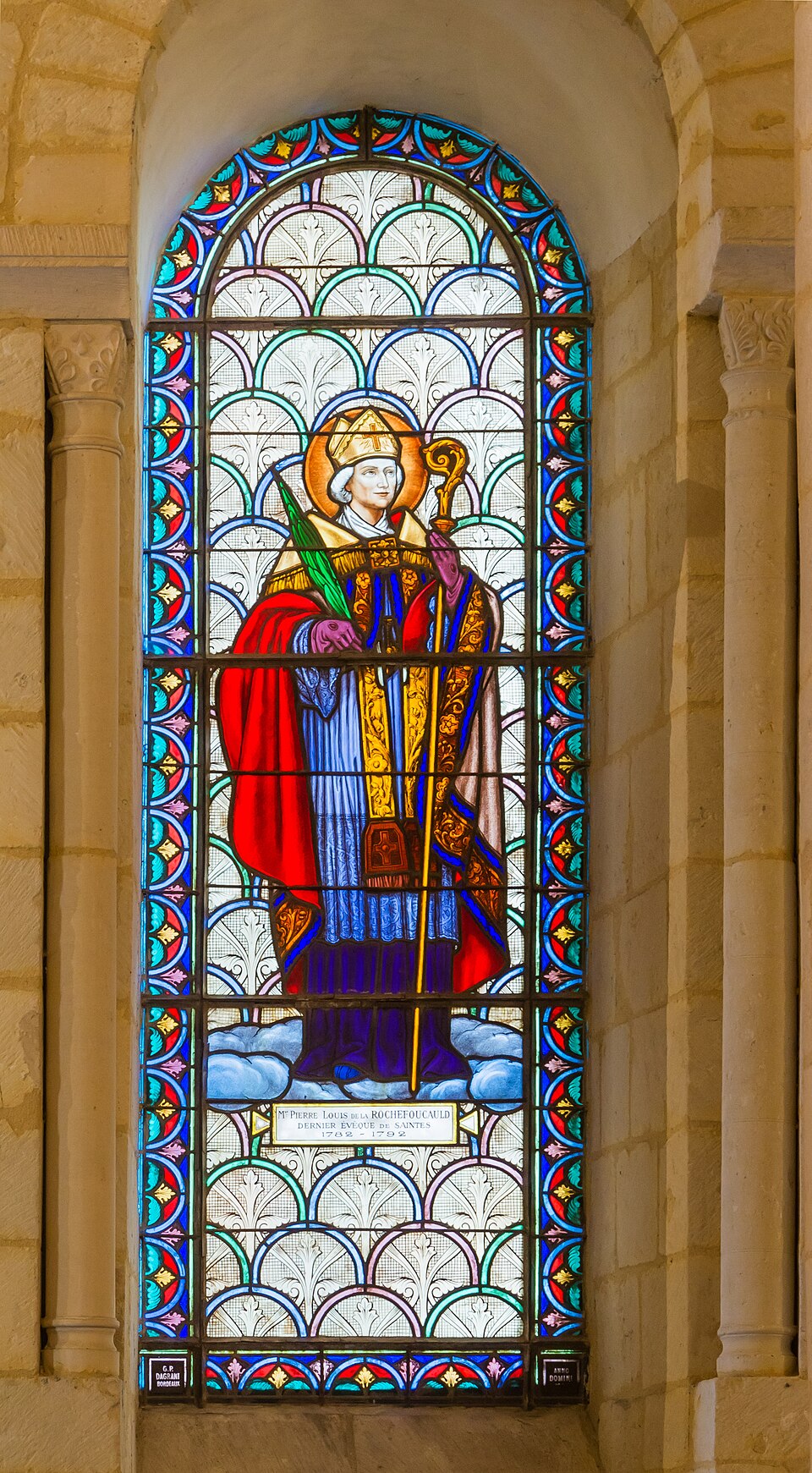
Over time, stained glass also became a medium of remembrance and patronage.
Families, guilds, and benefactors funded windows as acts of devotion, memorial, and status.
Many churches still preserve windows commemorating clergy, local families, war dead, and parish supporters.
During the nineteenth-century Gothic Revival, memorial stained glass expanded dramatically in parish settings.
This dual role of sacred meaning and personal memory remains visible today.
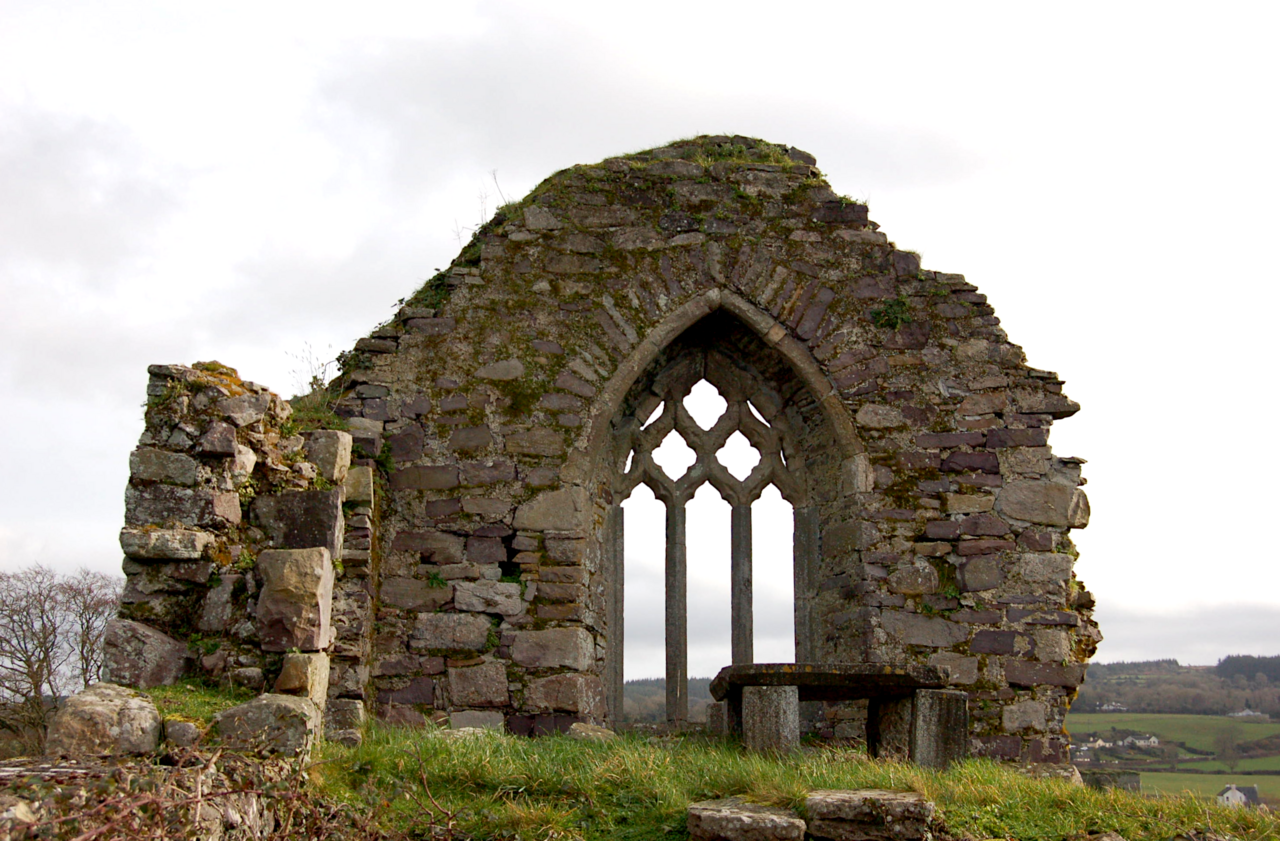
The story of stained glass includes both major losses and major renewal.
During the English Reformation and later the Civil War, many medieval windows were damaged or destroyed by iconoclasm.
As a result, some churches retain only fragments of earlier glass.
The nineteenth century then brought a major revival through Gothic Revival architecture and specialist studios such as Clayton & Bell, Hardman, Kempe, and Morris & Co.
Much stained glass seen in churches today is Victorian rather than medieval.
Historically, stained glass did far more than beautify church buildings. It taught scripture, shaped devotion, transformed architecture into light-filled theology, and helped worshippers imagine heaven.
Entering a stained-glass church in the medieval world meant entering a carefully designed vision of the divine.
Explore churches and cathedrals linked to stained-glass heritage:
Subscribe for updates on new stories, churches and collections.
© Church Pilgrim 2026