
Why Are So Many Abbeys in England Ruins?
7 May 2026Church Pilgrim Team8 min read
Why so many monasteries became ruins, and what those remains still reveal about England's past.
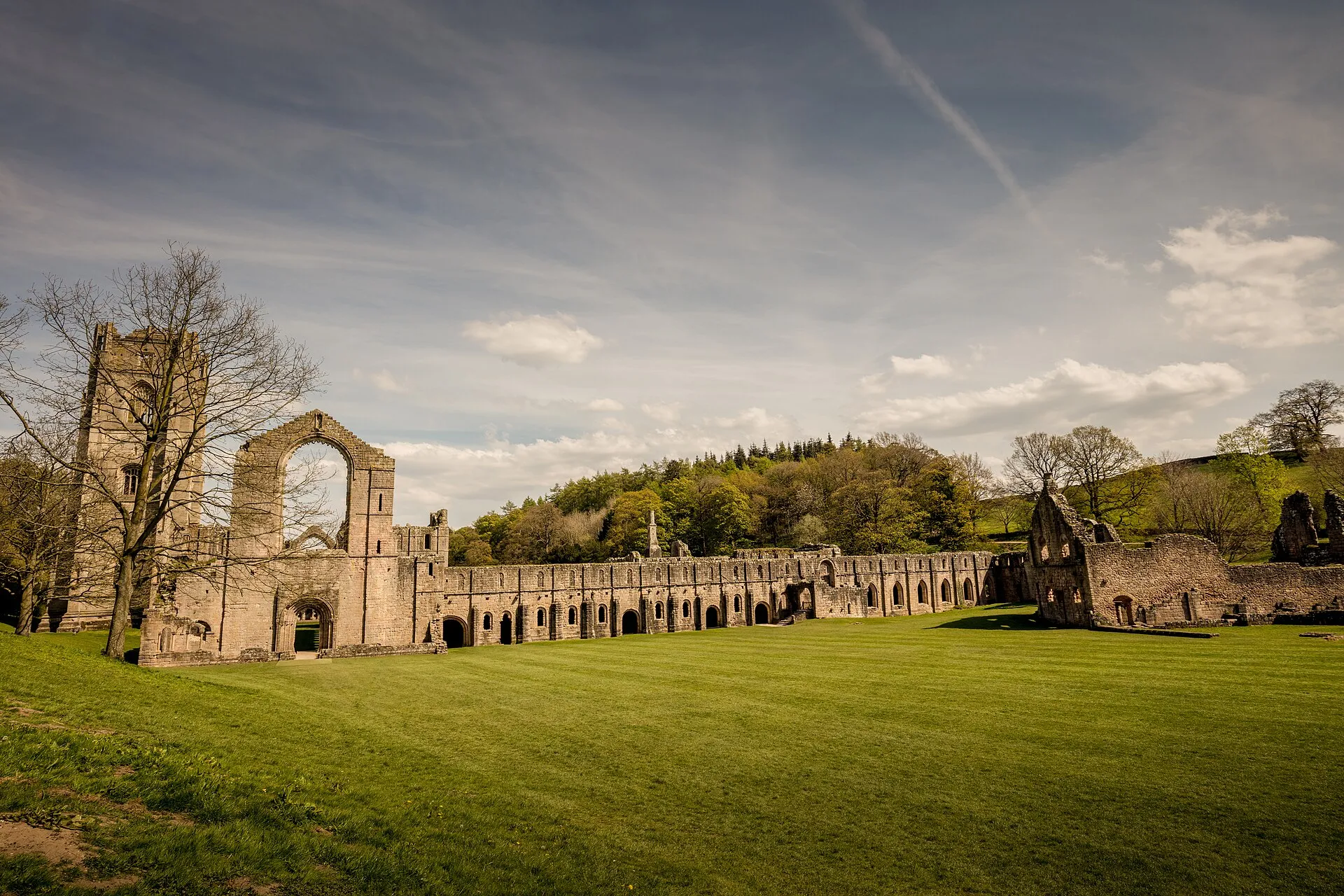
Across England, the ruins of abbeys, priories, and monasteries remain some of the most striking reminders of the medieval world. Roofless cloisters, broken arches, fragmentary towers, and vast stone walls stand in landscapes that were once filled with organised religious life, prayer, agriculture, hospitality, and learning.
For centuries, monasteries formed an essential part of English society. They were not isolated religious retreats, but major landowners, employers, centres of scholarship, places of hospitality, and spiritual institutions woven deeply into the life of the country. Yet today, many survive only as ruins.
The reason for this dramatic transformation lies largely in one of the most significant events in English religious history: the Dissolution of the Monasteries under Henry VIII in the sixteenth century. However, the story is more complex than a single moment of destruction. The ruins seen today are the result of political upheaval, changing religious priorities, economic reuse, neglect, deliberate demolition, and centuries of gradual decay.
An abbey was a large monastic community led by an abbot or abbess.
Monasteries existed in several forms across medieval England. These communities followed religious rules and structured daily life around prayer, worship, study, and labour. Different monastic orders developed different traditions, including the Benedictines, Cistercians, Augustinians, and Carthusians.
Medieval monasteries were often wealthy and influential institutions. Many controlled large estates, operated mills and farms, cared for travellers, supported the poor, and maintained libraries or schools. Their churches could rival cathedrals in scale and craftsmanship.
In some regions, monasteries became among the most powerful institutions in local economic and political life.
The greatest turning point came during the reign of Henry VIII in the 1530s.
Following the break with Rome and the establishment of the Church of England, the Crown moved against England's monasteries.
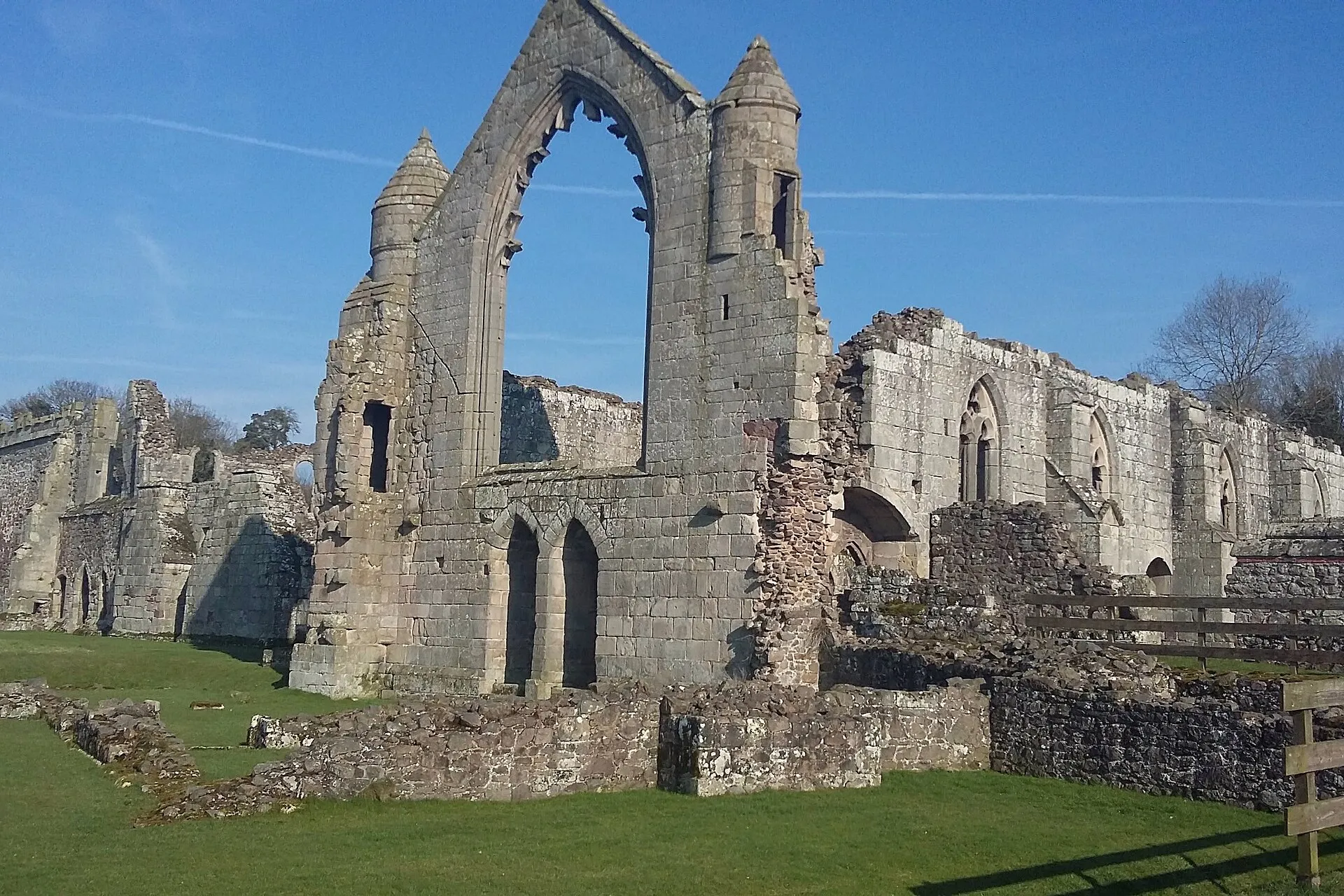
Between 1536 and 1541, monasteries across England were dissolved, their lands and wealth seized by the Crown. Officially, this was justified through accusations of corruption, inefficiency, or religious reform. In practice, the Dissolution was also deeply political and financial. Monasteries controlled enormous wealth, property, and influence that the Crown wished to absorb.
Some monasteries surrendered peacefully. Others resisted. Several abbots were executed after opposing royal policy.
Once dissolved, monastic communities were dispersed. Buildings lost the organised religious life that had maintained them for centuries.
Without roofs and maintenance, many buildings rapidly deteriorated. Rainwater entered walls, frost damaged masonry, and structures gradually collapsed over time.
The Dissolution therefore marks the moment when many abbeys began the long transition from living religious communities into ruins.
Modern ideas about historic preservation did not exist in the sixteenth century.
Former monasteries were often viewed primarily as useful sources of land and building material rather than monuments to preserve intact.
In some cases, monastic churches survived by being adapted for new use. Several cathedral churches, including Canterbury Cathedral and Winchester Cathedral, had monastic origins but continued functioning after the Dissolution because they also served important diocesan roles.
Elsewhere, parts of abbeys were converted into private houses, parish churches, schools, or administrative buildings. Some great houses were created directly from former abbey complexes.
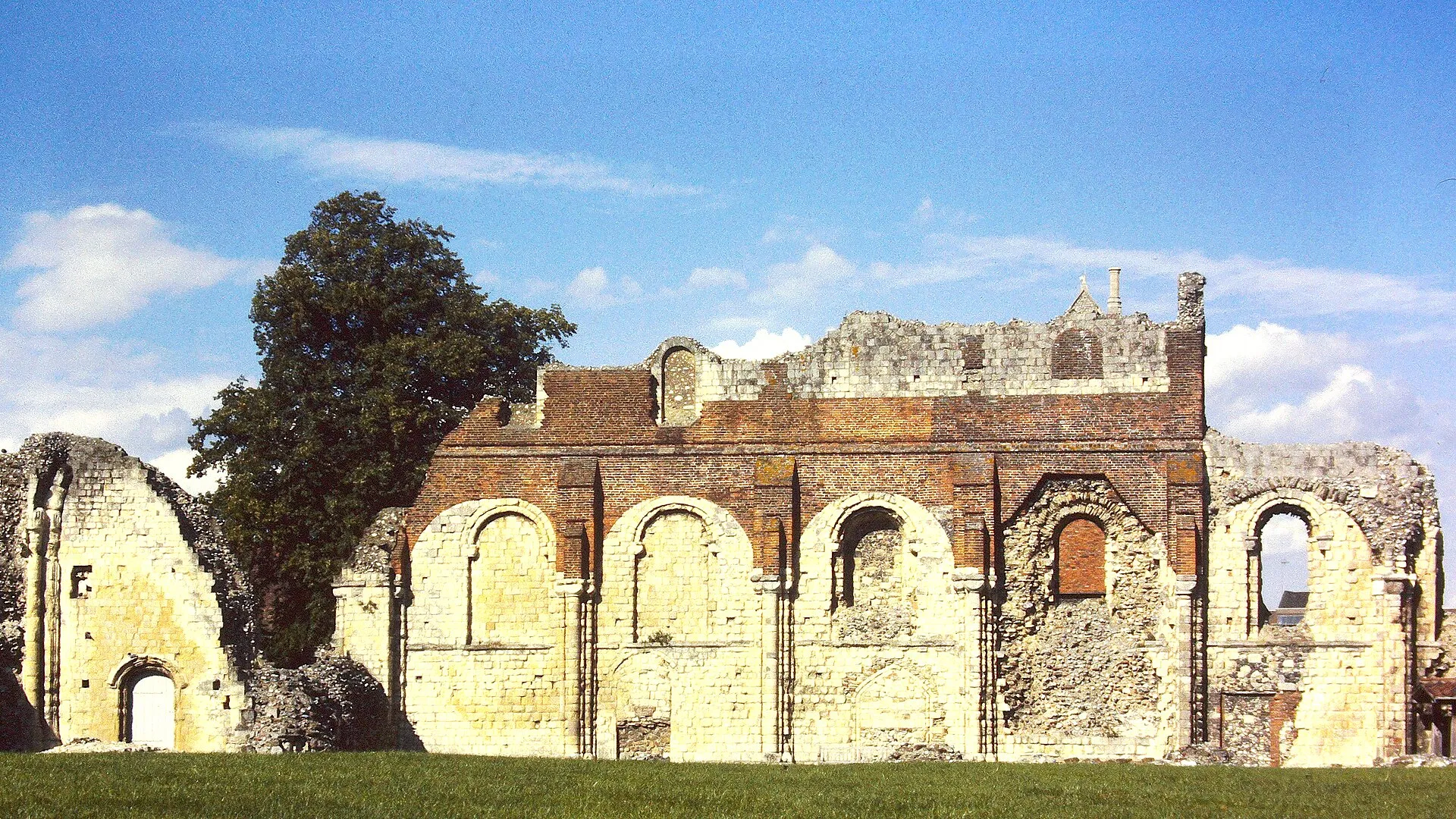
Many other sites, however, were partially demolished because maintaining such enormous structures without monastic communities was impractical and expensive. Lead roofs were especially valuable, and once removed, large medieval buildings became highly vulnerable to decay.
In many towns and villages, fragments of former monasteries remain physically embedded within later structures.
By the eighteenth and nineteenth centuries, attitudes toward ruins began to change.
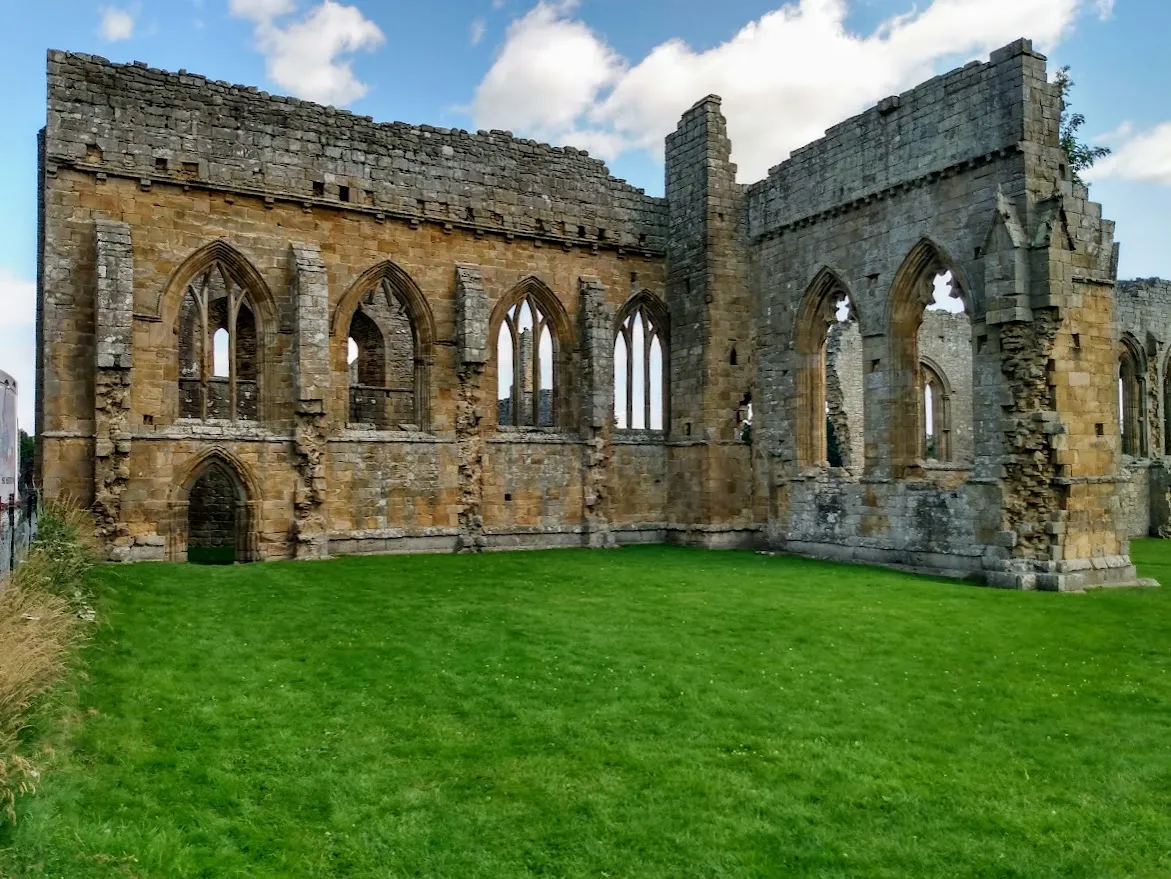
Instead of being viewed mainly as abandoned property, ruined abbeys increasingly became associated with the medieval past and the romantic beauty of decay.
Artists, writers, and travellers were drawn to ivy-covered ruins and dramatic Gothic remains. Painters frequently depicted abbeys within landscapes as symbols of time, loss, and continuity.
This changing perspective helped encourage preservation efforts. Antiquarians and early conservationists began documenting surviving monastic ruins, recognising their historical and architectural significance.
Many abbey ruins that survive today owe their survival partly to this later appreciation. Without it, far more would likely have disappeared entirely through quarrying or redevelopment.
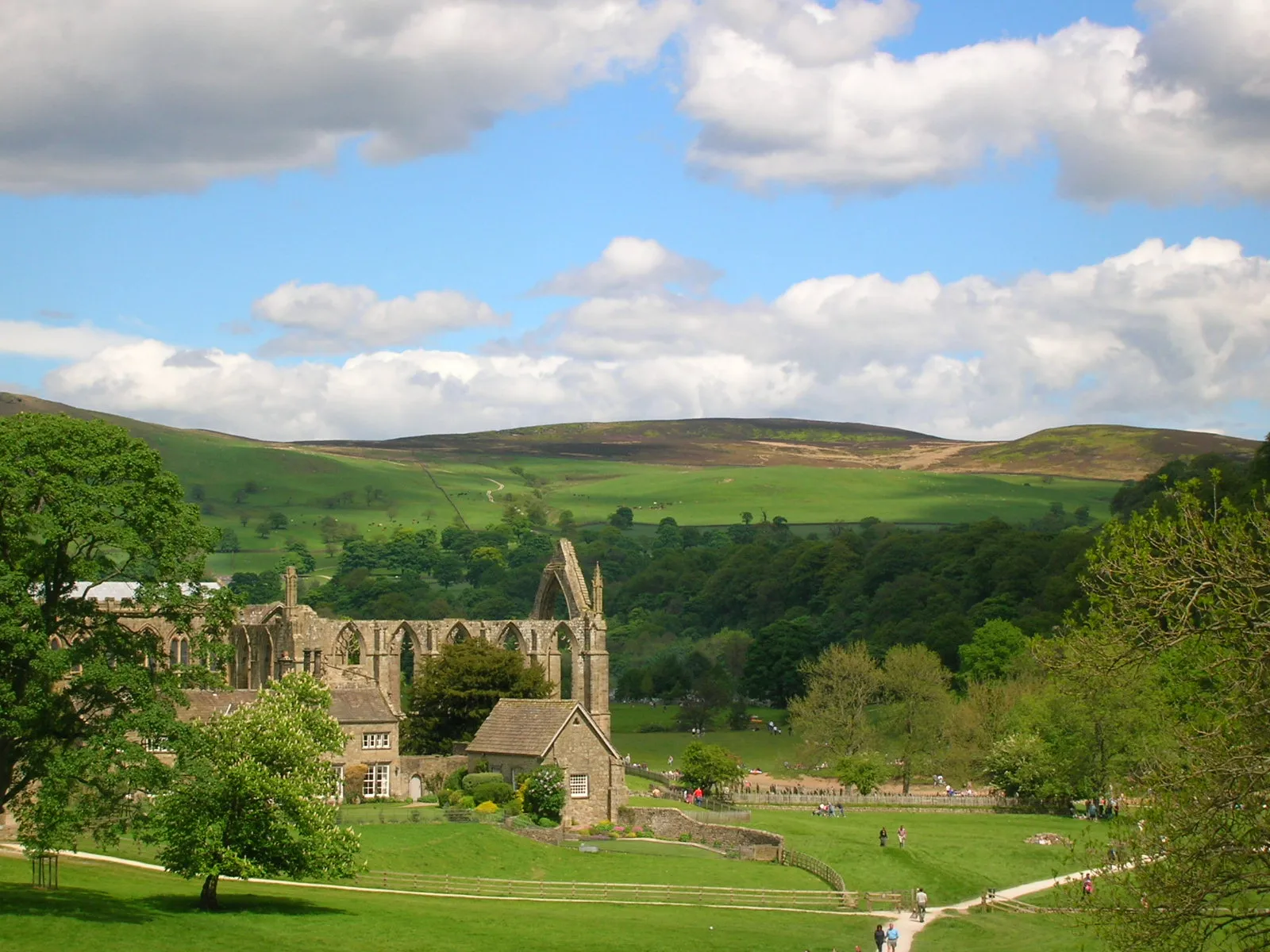
Although many abbeys survive only as fragments, they remain extraordinarily important historical sites.
Their ruins preserve evidence of medieval craftsmanship, monastic life, religious change, political upheaval, and the transformation of English society during the Reformation.
They also continue to shape landscapes and local identity. Abbey ruins often remain among the most visually powerful historic structures within towns and rural settings alike.
For many visitors, ruins possess a different atmosphere from complete buildings. Their open skies, broken walls, and visible traces of absence can create a strong sense of historical distance and continuity at the same time. The loss itself becomes part of the meaning of the site.
Yet abbeys are not important only because they are ruined. They matter because they reveal how deeply monasteries once shaped English religious, economic, and social life, and how profoundly that world changed in the sixteenth century.
The ruins seen today are therefore not simply abandoned buildings. They are the surviving remains of institutions that stood at the centre of medieval England for centuries before political and religious transformation reshaped the country around them.
The abbey ruins seen today are not simply abandoned buildings. They are surviving remains of institutions that once stood at the centre of medieval England, and their altered form reflects profound religious, political, and social change.
Subscribe for updates on new stories, churches and collections.
© Church Pilgrim 2026