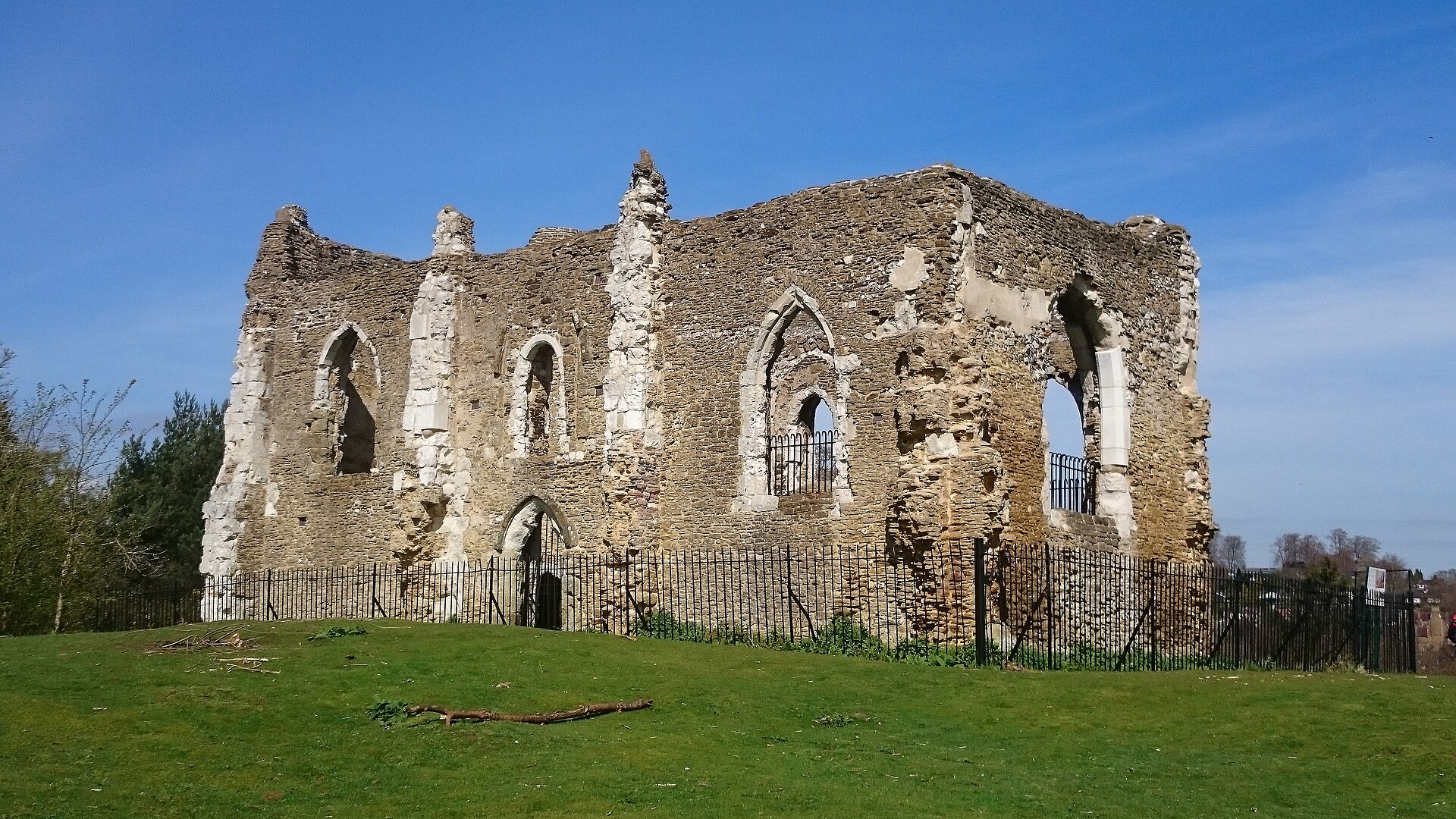
What's the Difference Between a Church, a Chapel, and a Cathedral?
14 May 2026Church Pilgrim Team8 min read
A practical guide to three names that describe very different roles in Christian history.
The words church, chapel, and cathedral are often used interchangeably, but they each mean something quite different. In Britain especially, these buildings form part of almost every town and village landscape, yet their names reflect distinct roles, histories, and traditions.
Understanding the difference helps reveal how Christianity shaped communities, architecture, and daily life across centuries.
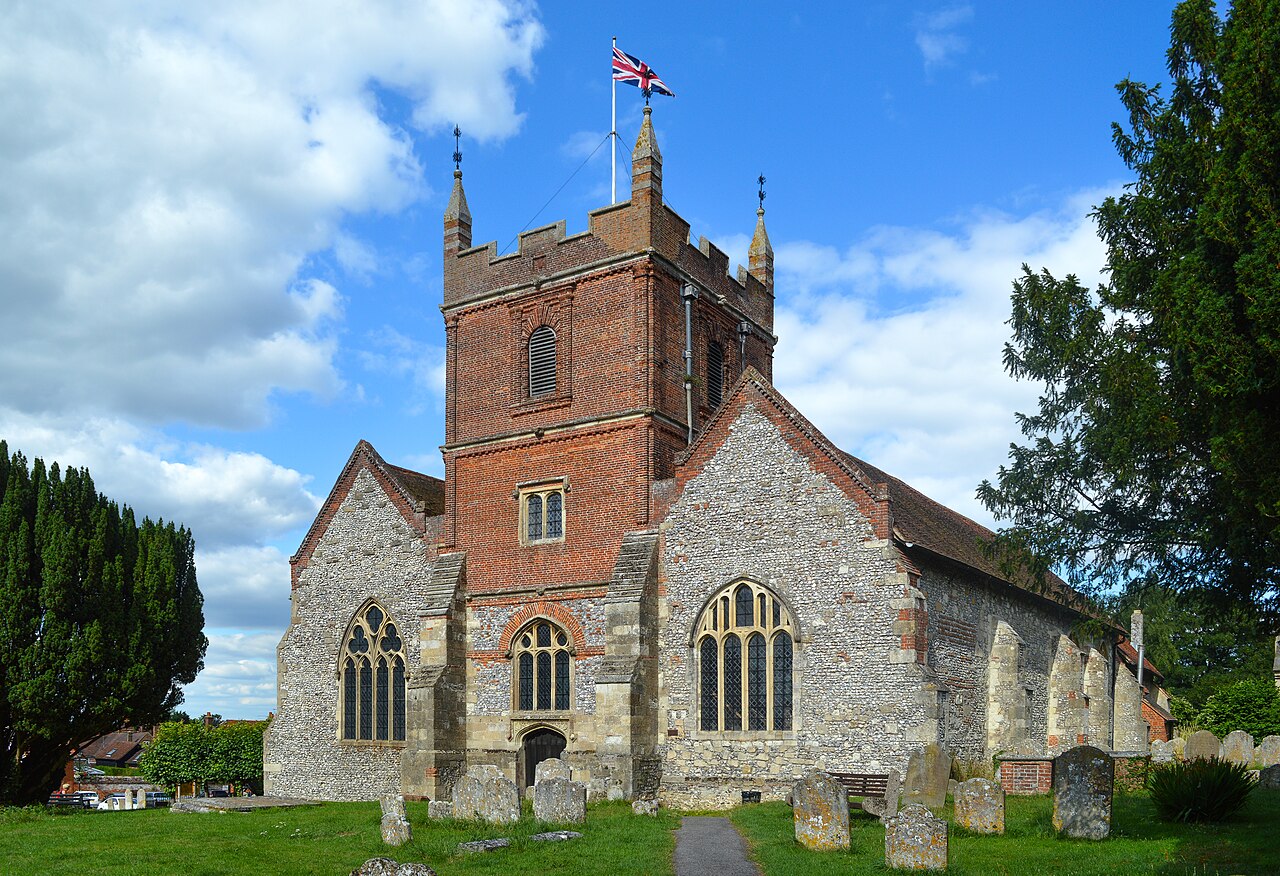
A church is the most common form of Christian place of worship and is usually tied to a parish community.
Traditionally, a church serves local worship through baptisms, weddings, funerals, festivals, and regular services throughout the year.
In England, parish churches became the centre of medieval community life. Villages often formed around them, and churches acted as gathering places, landmarks, and record keepers for local populations.
Churches vary enormously in size and style, from small rural buildings with a single nave and tower to large urban churches rebuilt and expanded across centuries.
Importantly, the word church refers both to the building and to the Christian community that worships there.
Many churches in Britain belong to the Church of England, though Roman Catholic, Methodist, Baptist, and many other denominations also maintain church communities.
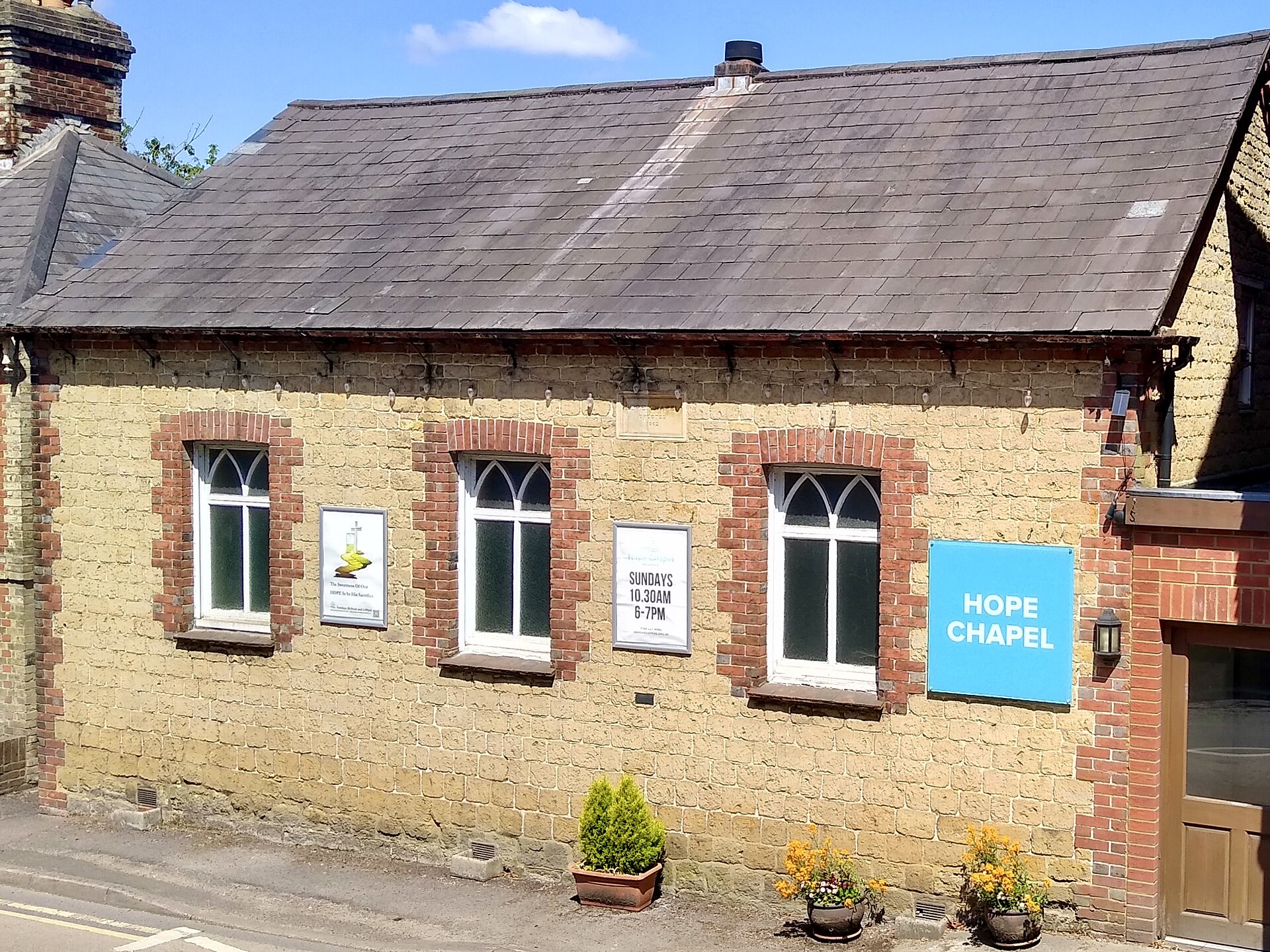
A chapel is usually smaller and traditionally serves a more specific purpose than a parish church.
Historically, chapels were attached to castles, hospitals, schools, prisons, and manor houses, or built for private worship.
They were also established in places distant from the parish church and became especially associated with nonconformist worship in Wales and parts of England during the 18th and 19th centuries.
Methodist and Baptist chapels became key centres of religious and cultural life in many industrial communities.
Unlike parish churches, chapels usually did not administer a parish or carry the same level of church governance responsibility.
Architecturally, chapels range from tiny medieval roadside buildings to large Victorian preaching halls.
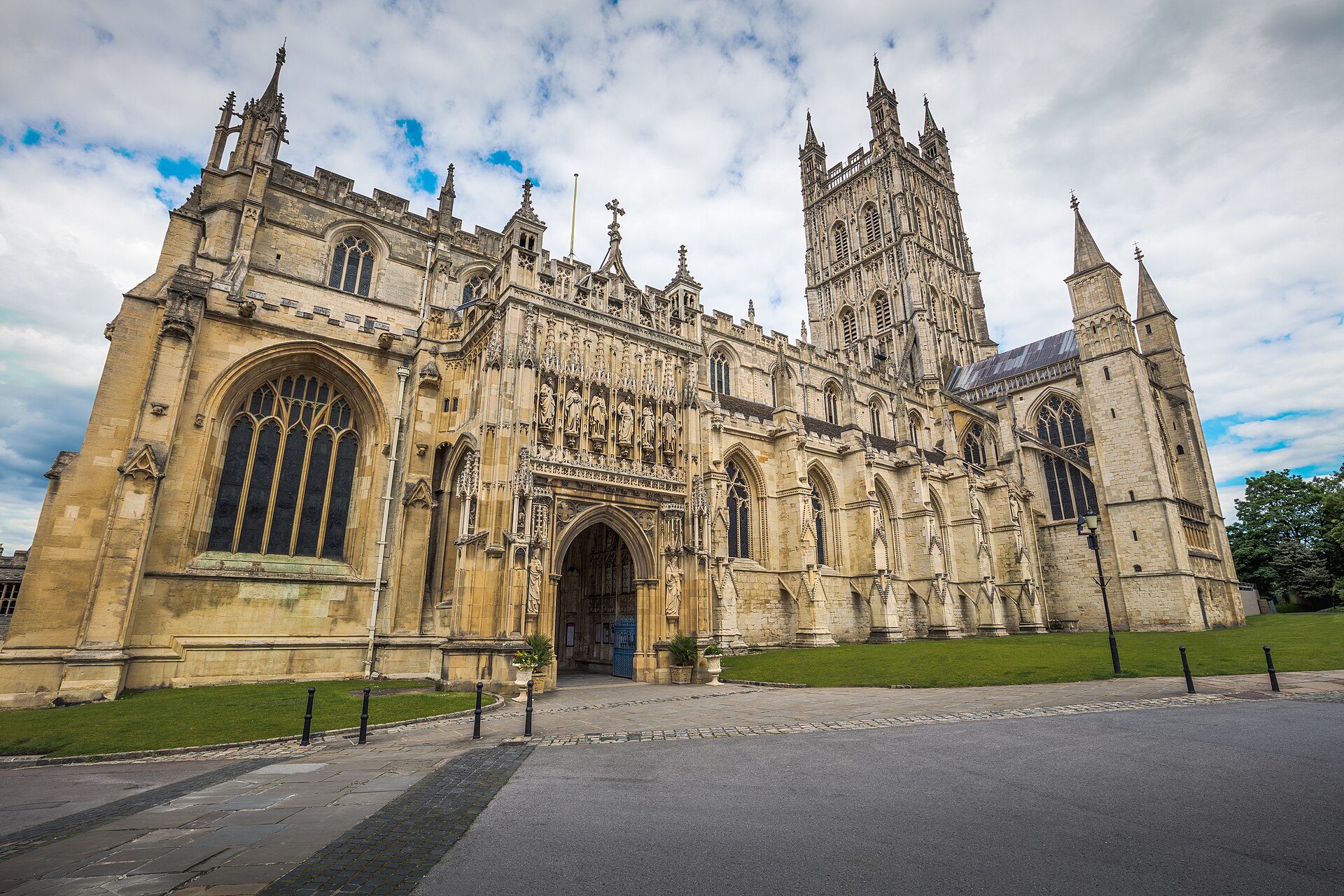
A cathedral is defined by function, not size: it is the principal church of a bishop.
A cathedral contains the bishop's official seat, the cathedra, from which the word cathedral is derived.
Every cathedral is a church, but not every church is a cathedral.
Cathedrals serve as the central church of a diocese, which is a large church district overseen by a bishop.
Because of their role, many cathedrals became monumental buildings and symbols of wealth, authority, and civic identity.
Canterbury Cathedral, York Minster, Salisbury Cathedral, and Durham Cathedral are major examples of medieval cathedral heritage in Britain.
Over centuries, cathedrals often became centres of pilgrimage, learning, music, and administration.
Sometimes a building's role changes, even if its name remains.
A church can become a cathedral when it is chosen as the seat of a new bishop, which happened in England when new dioceses were created in the 19th and 20th centuries.
A chapel can also develop into a church if it begins serving a parish community over time.
Some former churches and chapels eventually lose religious use and are converted into homes, libraries, museums, or community buildings.
Even where function changes, older naming often survives in local language and memory.
The differences between a church, a chapel, and a cathedral are not just technical labels. They reveal how Christian life was organised at local, regional, and national levels across centuries.
Parish churches reflect everyday community life. Chapels often point to private worship, reform movements, or practical local needs. Cathedrals show the wider structure and authority of the Church through the seat of a bishop.
Seeing these distinctions clearly helps us read Britain's built landscape more accurately and appreciate the different stories these buildings carry into the present.
Explore one example of each:
Subscribe for updates on new stories, churches and collections.
© Church Pilgrim 2026