
What Is a Church?
7 May 2026Church Pilgrim Team9 min read
A short guide to understanding church as both a building and a gathered community.
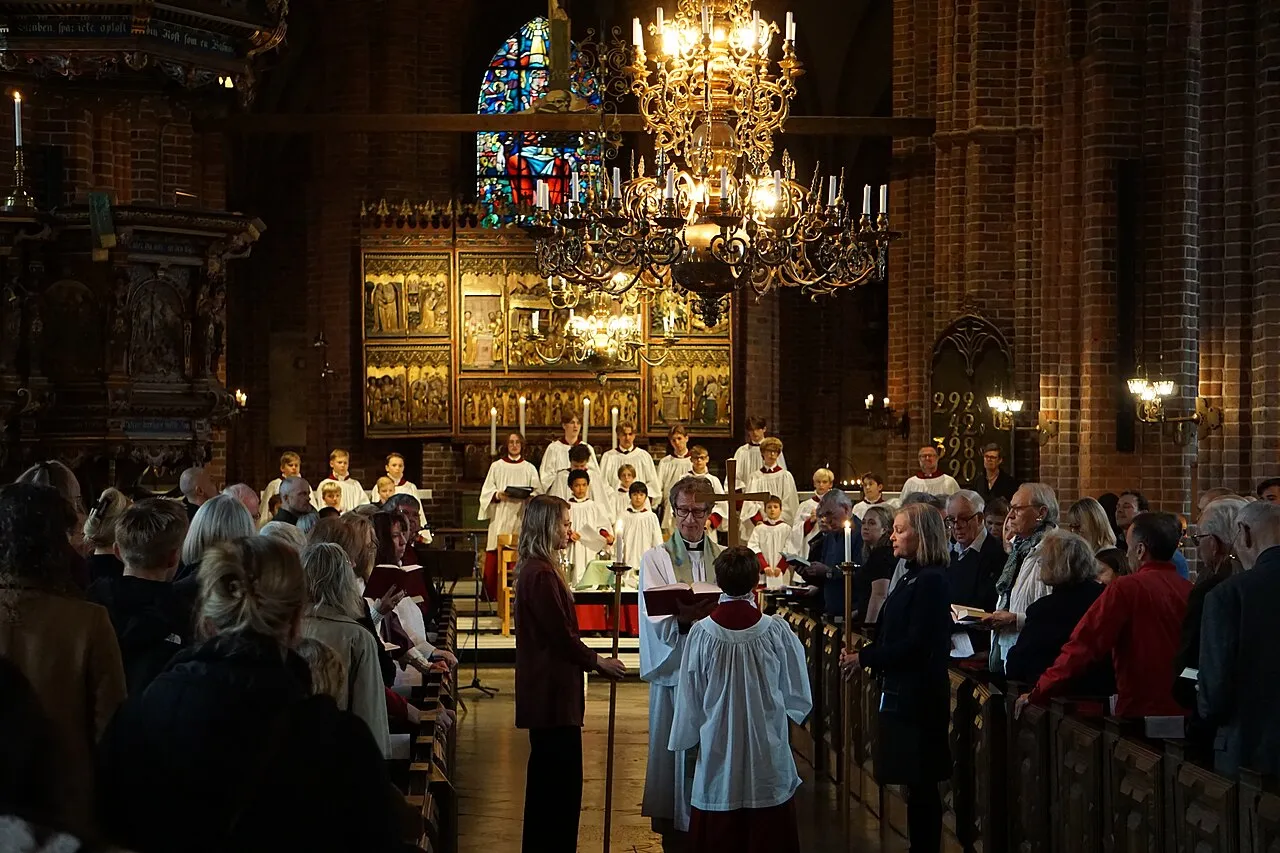
For many people, the word church immediately brings to mind a building: stone walls, stained glass, bells, pews, and a tower rising above the surrounding streets or countryside. Across England, churches have become some of the most recognisable features of the landscape, standing at the centre of villages, market towns, and cities alike.
Yet in Christianity, the word church has always meant more than a building.
A church is both a place of worship and a gathered community of people. Understanding the distinction between these two meanings helps explain why churches have remained important for centuries - not only historically or architecturally, but socially, spiritually, and culturally as well.
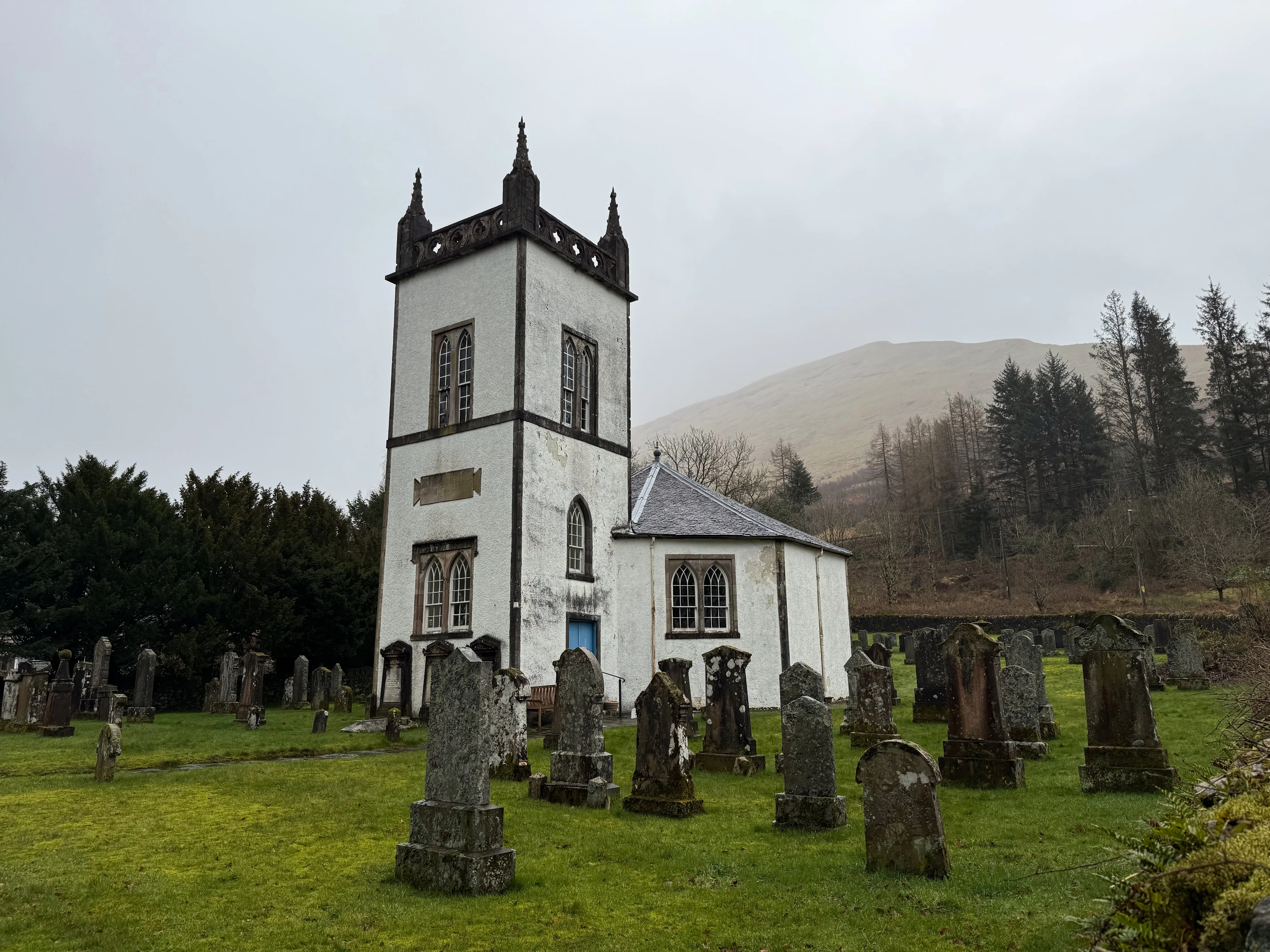
The physical church building exists to support worship, prayer, and community life. It provides a dedicated place where Christians gather to hear Scripture, celebrate the sacraments, pray together, and mark important moments in life.
Over time, churches became centres of daily life in England. They hosted baptisms, weddings, funerals, harvest festivals, remembrance services, and countless ordinary gatherings that helped shape local identity. In many communities, the church was one of the few shared spaces where all parts of village or town life came together.
This long continuity is part of what gives historic churches their atmosphere. A medieval parish church may contain traces of hundreds of years of worship and memory: worn stone steps, memorial inscriptions, repaired walls, old pews, candle marks, and bells that have rung across generations.
Church buildings also reflect the history of the communities that built and cared for them. Architectural styles changed over time, from Norman and Gothic churches to Victorian restorations and modern additions. Wealth, local materials, religious movements, wars, reformations, and social change all left their mark on these buildings.
But important as church buildings are, Christianity has never understood the church to be only a structure.
In Christian teaching, the church also refers to the gathered body of believers - the people themselves. The earliest Christians often met in homes and borrowed spaces, showing the church was always understood as a worshipping community first.
That understanding still continues today. A church building may stand empty, while a congregation remains active elsewhere. Equally, a beautiful historic church may survive architecturally even after the community that once sustained it has disappeared.
This distinction matters because it reminds us that churches are not simply monuments or museums. They are places shaped by generations of human lives and relationships.
The life of a church cannot be understood entirely through architecture or historical dates alone. Much of its meaning comes from memory, continuity, and lived experience.
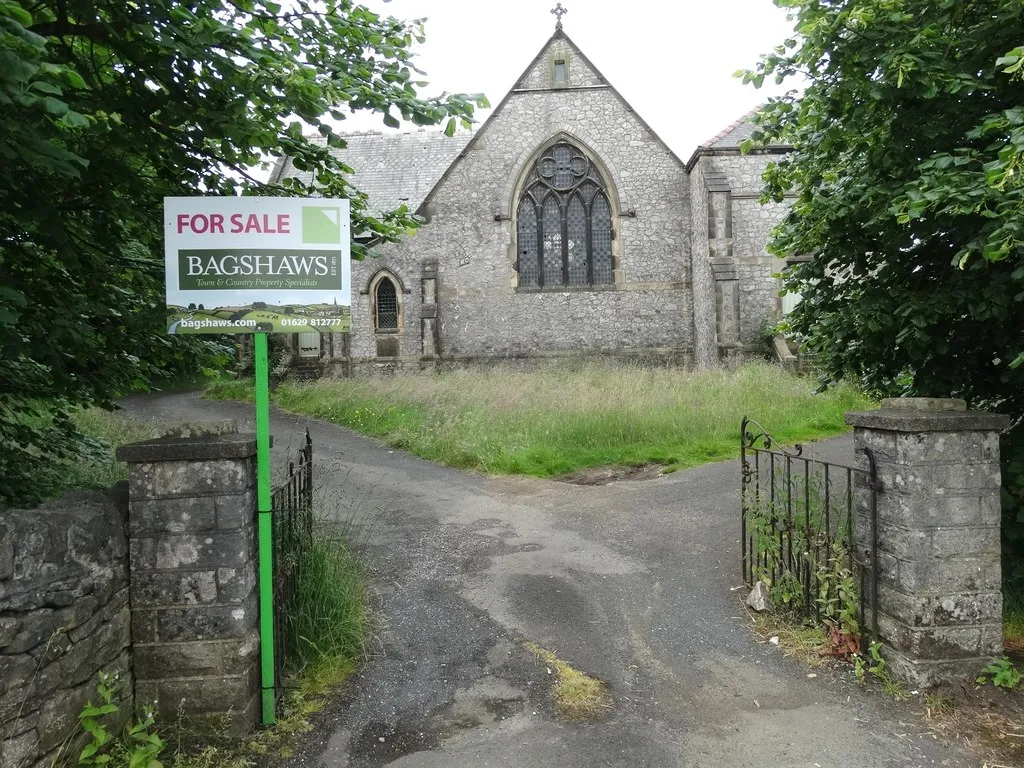
When churches close or decline, communities often discover they are losing more than architecture. They are losing memory, identity, and a shared place where generations marked life together.
In modern Britain, many churches face uncertain futures. Congregations have declined in some areas, buildings require costly maintenance, and some churches have closed, been repurposed, or fallen into disrepair.
When this happens, communities often discover that what they are losing is not simply an old building, but something deeper: a shared place of memory and identity.
Even people who no longer regularly attend services may still feel a strong attachment to their local church. It may hold family history, childhood memories, wartime stories, local traditions, or simply a sense of continuity with earlier generations.
This is one reason why preserving churches matters. Preservation is not only about protecting architecture. It is also about preserving the stories, traditions, relationships, and local knowledge connected to these places before they disappear.
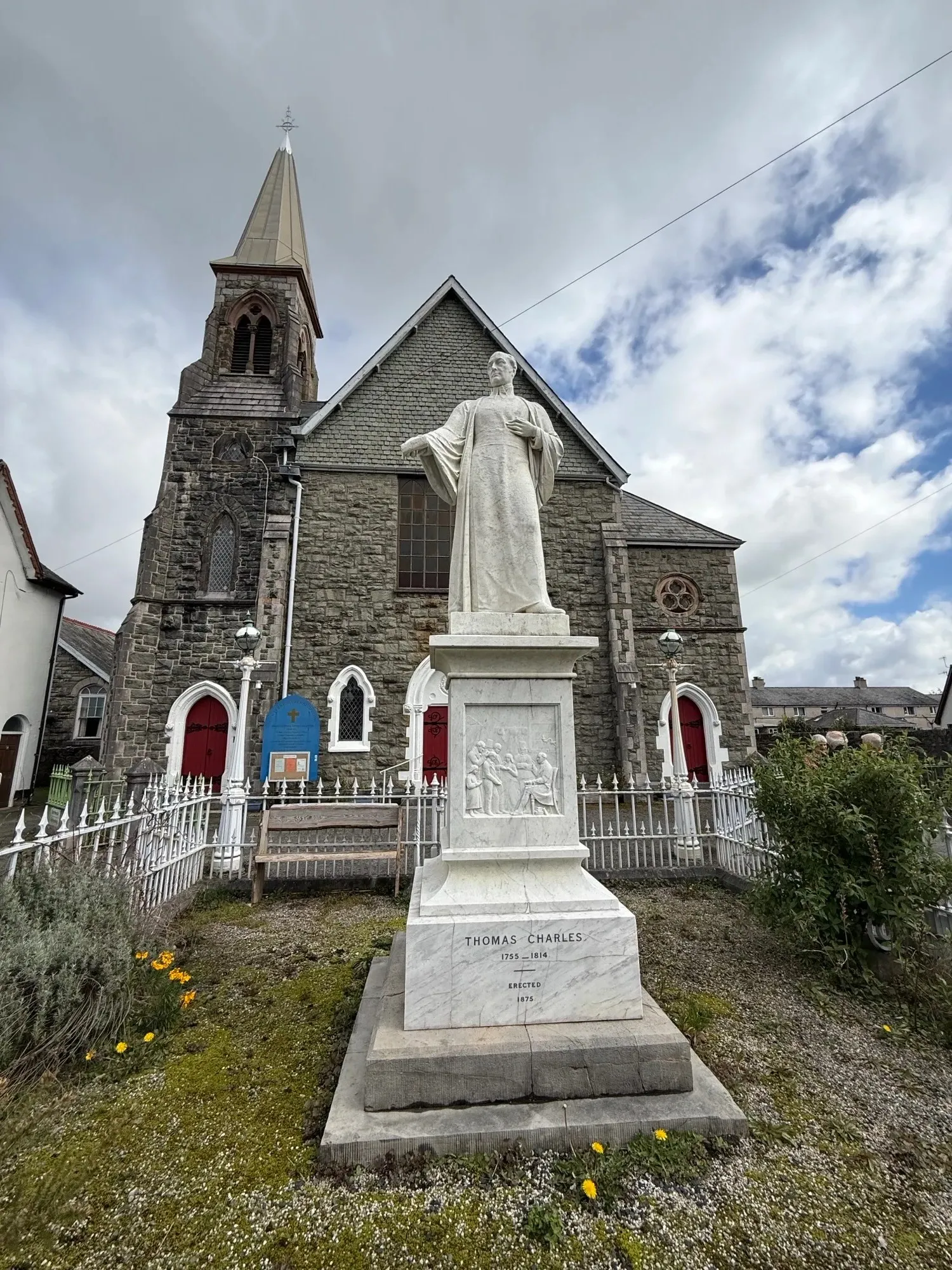
Historic churches are often living heritage: both ancient buildings and active community places. They connect past and present through worship, memory, and the ongoing life of local communities.
Historic churches are sometimes described as "living heritage." Unlike ruins or static museum pieces, many churches continue to function as active places of worship and community gathering while also carrying centuries of history.
That combination makes them unusual. A single church might simultaneously be:
Understanding churches in this fuller way helps explain why they continue to matter to so many people, regardless of background or belief.
They are not only buildings of stone and timber. They are places where generations of human lives have unfolded - and where communities continue to shape and remember their shared story.
A church is both a sacred space and a community of people. Together, they create a living heritage that connects the past, the present, and the future.
Subscribe for updates on new stories, churches and collections.
© Church Pilgrim 2026