
How Were They Built?
7 May 2026Church Pilgrim Team10 min read
A practical look at the materials, labour and phases behind historic church construction.
Most historic churches in England were not constructed all at once. They were built gradually, often over centuries, through the labour of local communities, skilled craftspeople, wealthy patrons, and generations of repair and adaptation.
What survives today is usually the result of many separate building campaigns layered together over time.
A medieval parish church was one of the most ambitious structures many communities would ever undertake. Building required money, materials, organisation, transport, specialist knowledge, and long-term commitment. Some churches took decades to complete; others evolved continuously as populations changed, wealth increased, or worship practices developed.
Understanding how churches were built helps explain why English churches often appear architecturally mixed or irregular. These buildings were not static monuments designed to remain unchanged. They were living structures shaped by practical need, local identity, religious belief, and available resources.
The materials used to build churches depended heavily on local geography, regional trade, transport networks, and cost.
Before modern industrial transport, most building materials needed to be sourced relatively close to the site itself, giving churches strong regional character.
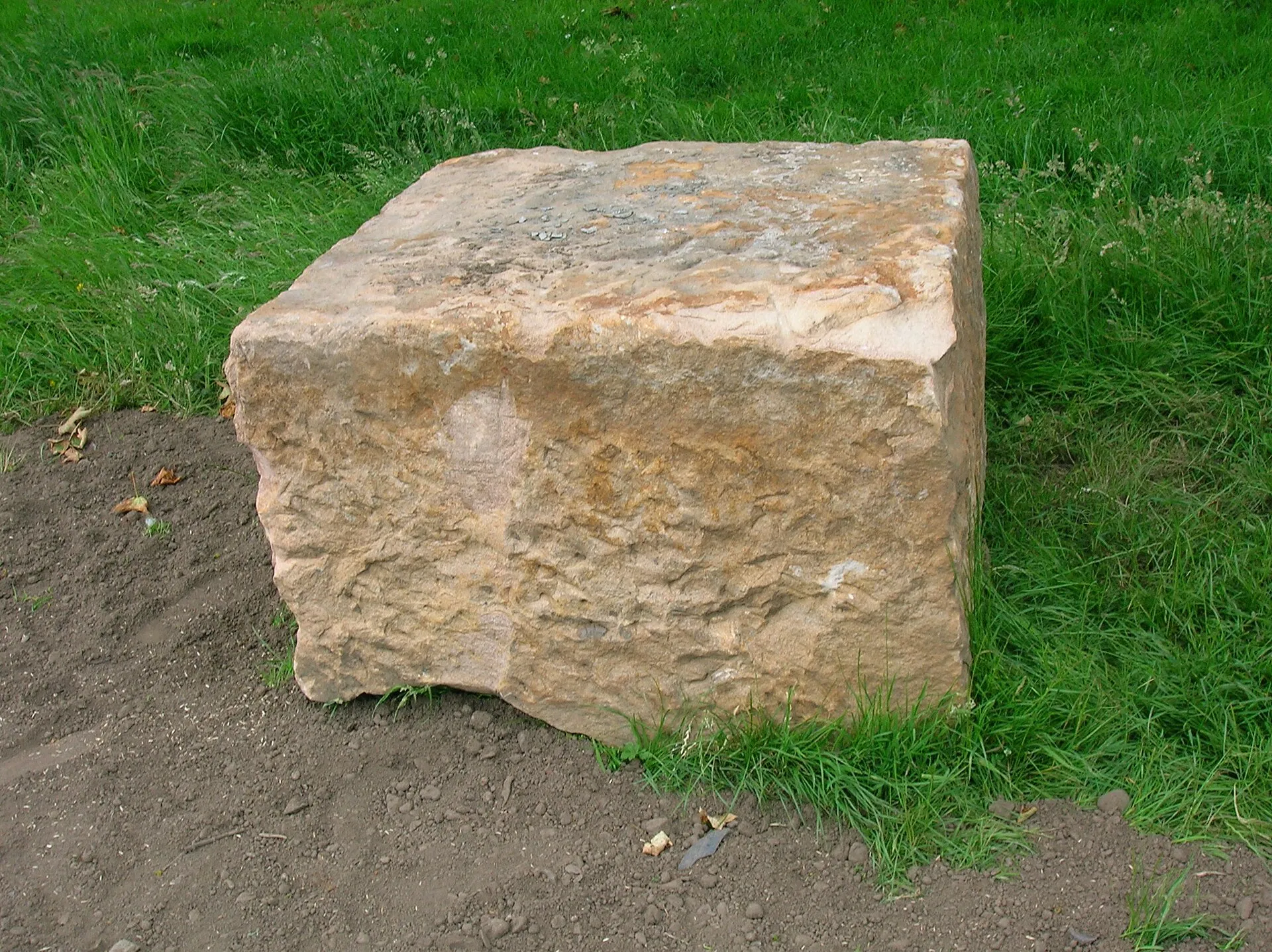
Stone was the principal material for many larger churches and cathedrals, though the type varied greatly across England. Limestone, sandstone, flint, granite, and chalk were all used depending on local availability. In some regions, churches were built almost entirely from field flint gathered from surrounding farmland, while elsewhere high-quality quarried stone could be transported over considerable distances for prestigious projects.
The availability of good building stone often shaped the appearance and durability of churches. Soft stones could be easier to carve but more vulnerable to weathering. Harder stones lasted longer but required greater labour and skill to work effectively.
Timber also played a crucial role, particularly for roof structures, floors, scaffolding, doors, porches, and earlier church buildings. England's medieval carpenters developed highly sophisticated timber-framing techniques, many of which survive today in roof trusses and internal structures hidden above church ceilings.
Lime mortar bound masonry together and allowed buildings to flex slightly over time. Unlike modern cement, lime mortar remained breathable and adaptable, helping older structures cope with seasonal movement and moisture changes.
Lead was widely used for roofing because of its durability and water resistance, while stained glass introduced colour, symbolism, and biblical storytelling into church interiors. Glass production itself was expensive and technically demanding, making elaborate medieval windows significant displays of wealth and devotion.
Transport limitations strongly influenced material choices. Moving heavy stone over long distances before railways was difficult and expensive, particularly inland. Rivers, coastal shipping routes, and later canals therefore played important roles in supplying major building campaigns.
As a result, churches often reflect the landscape around them. Their materials connect them directly to local geology, woodland, craft traditions, and regional economies.
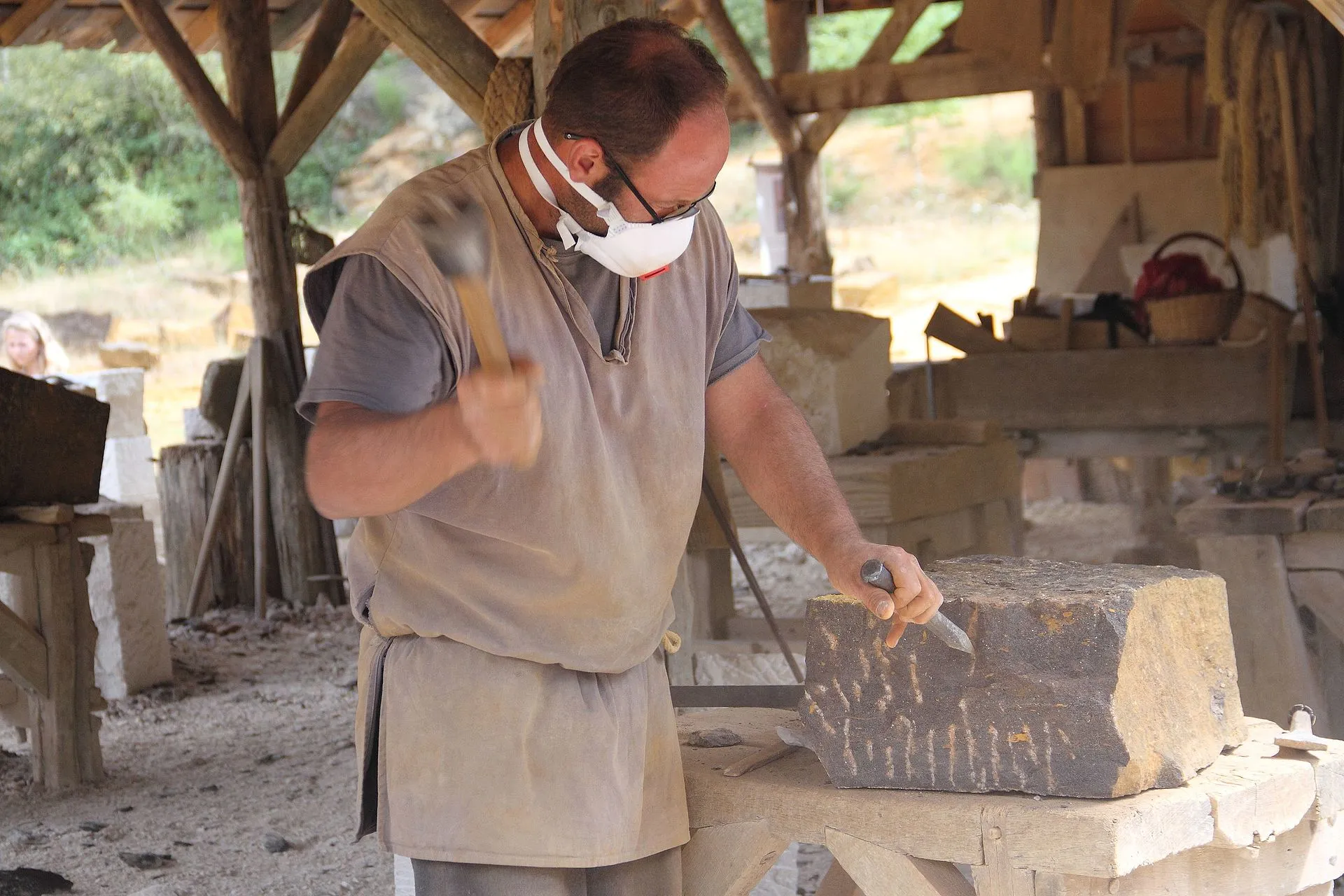
Church building depended upon the collaboration of many different craftspeople working together across long periods of time.
Large medieval churches were among the most technically sophisticated projects of their age.
Master masons oversaw construction and design, directing teams responsible for cutting and assembling stonework. Their knowledge combined engineering, geometry, structural understanding, and artistic skill. Medieval masons often travelled between projects, spreading architectural ideas and regional styles across England.
Carpenters constructed roof structures, scaffolding, floors, and timber fittings. Many surviving medieval roofs demonstrate extraordinary craftsmanship, particularly hammerbeam roofs and other complex timber forms that allowed wide open interiors without excessive internal supports.
Glaziers created stained glass windows that served both decorative and instructional purposes. Medieval church windows often depicted biblical scenes, saints, heraldry, and local donors, helping communicate religious stories to largely illiterate congregations.
Blacksmiths produced hinges, tools, locks, grilles, nails, and iron reinforcement, while plasterers, painters, tilers, and bell founders contributed specialist work throughout the building process.
Labourers and local parishioners also played vital roles. Communities frequently contributed money, materials, transport, food, or physical labour to support church construction and repair. Church building was therefore often both a communal and spiritual undertaking.
Evidence of these craft traditions remains visible today. Masons' marks can still be found carved into stone blocks in some churches, helping identify individual workers or workshops. Tool marks, carpentry joints, uneven stone courses, and traces of painted decoration all preserve signs of human labour within the fabric of the building itself.
Patronage was equally important. Wealthy nobles, bishops, monasteries, merchants, guilds, and local landowners often funded major building campaigns or additions. In prosperous regions, such as the medieval wool towns of East Anglia, local wealth produced exceptionally ambitious parish churches intended to demonstrate both devotion and civic pride.
Churches therefore reflect not only religious belief, but also local economy, social structure, and the skills of the people who built them.
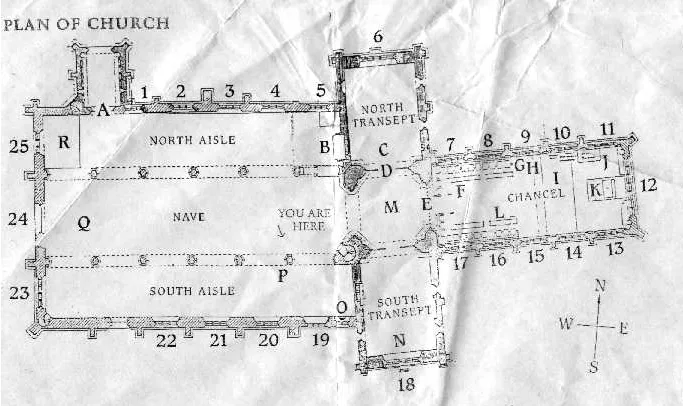
Most churches were built in phases rather than completed in a single construction campaign.
A church might begin as a relatively simple structure before gradually expanding over generations as communities grew or wealth increased.
These additions reflected changing liturgical practices, growing populations, new devotional trends, and increasing parish prosperity.
A church tower, for example, might be added decades or even centuries after the original nave. Side aisles could be inserted by removing sections of earlier walls and introducing arcades of columns. Rooflines might be raised to allow larger windows or additional light.
Because churches evolved gradually, evidence of different phases often remains visible. Structural joins, changes in stone colour, blocked arches, uneven rooflines, and differing window styles can all reveal how a building developed over time.
Some churches preserve almost complete architectural timelines within a single structure. A Norman doorway may stand beside Gothic windows and Victorian restorations, each representing different generations responding to new needs and fashions.
Demographic and economic pressures also shaped expansion. Prosperous medieval settlements often enlarged their churches dramatically during periods of trade growth or population increase. Conversely, economic decline could halt construction projects for decades or leave churches permanently unfinished.
The result is that English churches frequently appear layered and irregular rather than perfectly symmetrical. Their complexity reflects centuries of adaptation rather than a single architectural plan.
Repair and restoration have altered many churches as significantly as their original construction.
Wind, rain, settlement, war, neglect, and changing fashions all required buildings to be maintained and adapted repeatedly across centuries.
Some repairs were practical and continuous. Roofs leaked, stone weathered, timbers decayed, and towers shifted over time. Medieval and early modern communities regularly repaired churches simply to keep them usable.
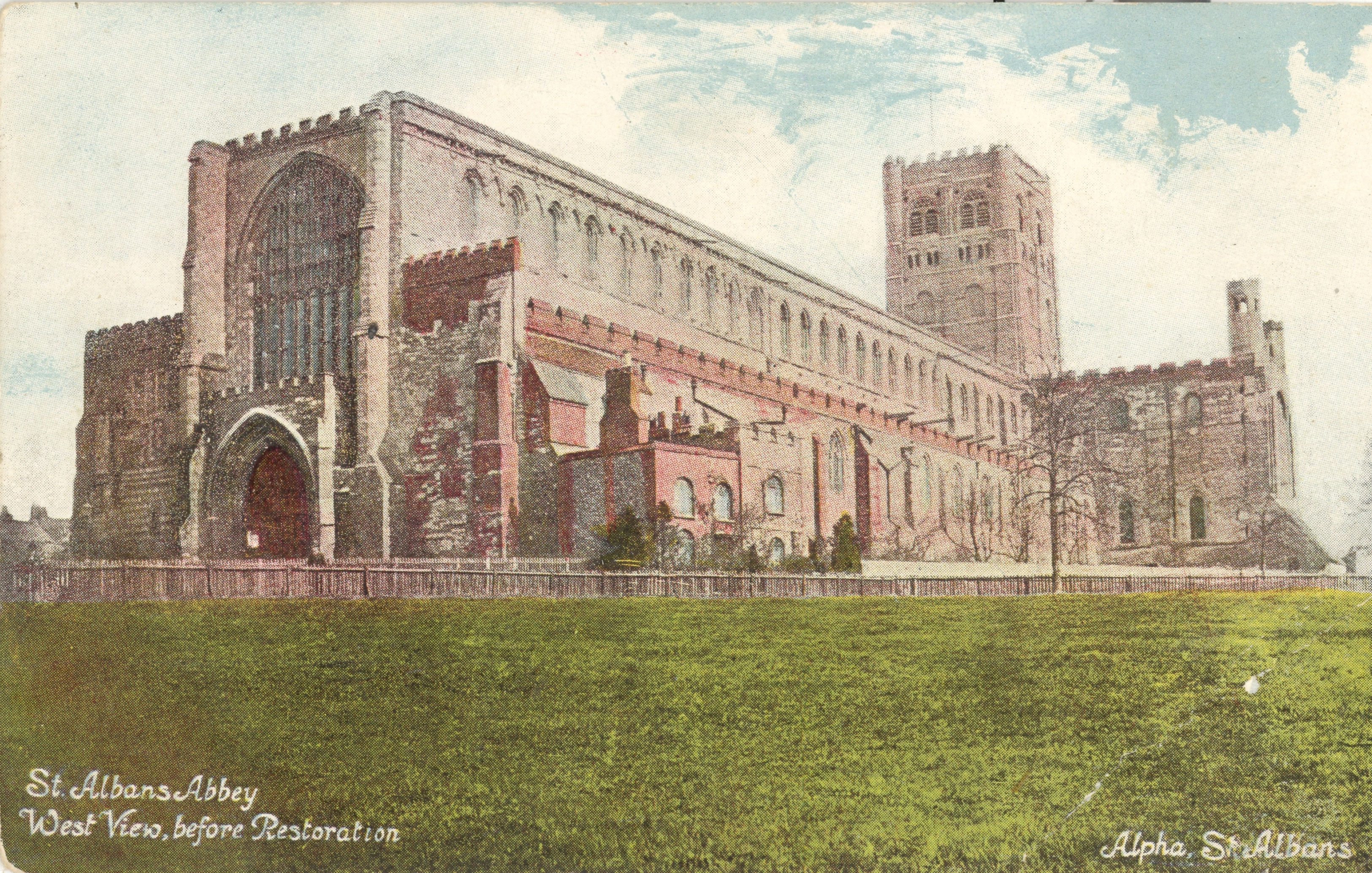
The nineteenth century, however, brought particularly dramatic restoration campaigns. Influenced by Gothic Revival movements and renewed interest in medieval architecture, Victorian architects and church reformers undertook extensive work across England.
Some restorations carefully preserved endangered buildings and rescued churches from severe structural decline. Others were far more aggressive, removing later historical additions in an attempt to restore churches to an idealised medieval form.
In some churches, little visible medieval furnishing survived these interventions despite the medieval structure remaining largely intact.
Distinguishing original fabric from later restoration can therefore be difficult.
Understanding these layers is an important part of reading a church building today. Churches are not frozen historical objects preserved unchanged from a single period. They are cumulative structures shaped continuously by repair, reuse, restoration, and human care.
Even modern conservation continues this process. Contemporary efforts increasingly focus on careful preservation, reversibility, and retaining evidence from all historical periods rather than privileging only one moment in the building's past.
The churches we see today are therefore not simply medieval survivals. They are the result of centuries of ongoing building, maintenance, adaptation, craftsmanship, and community investment, living records of how generations shaped the spaces they worshipped in.
Historic churches are cumulative buildings. They embody centuries of materials, labour, repair, and adaptation, and remain living records of community investment across time.
Subscribe for updates on new stories, churches and collections.
© Church Pilgrim 2026