
How Churches Came to Be What We See Today
7 May 2026Church Pilgrim Team10 min read
A practical overview of how English churches grew, changed and were rebuilt across centuries.
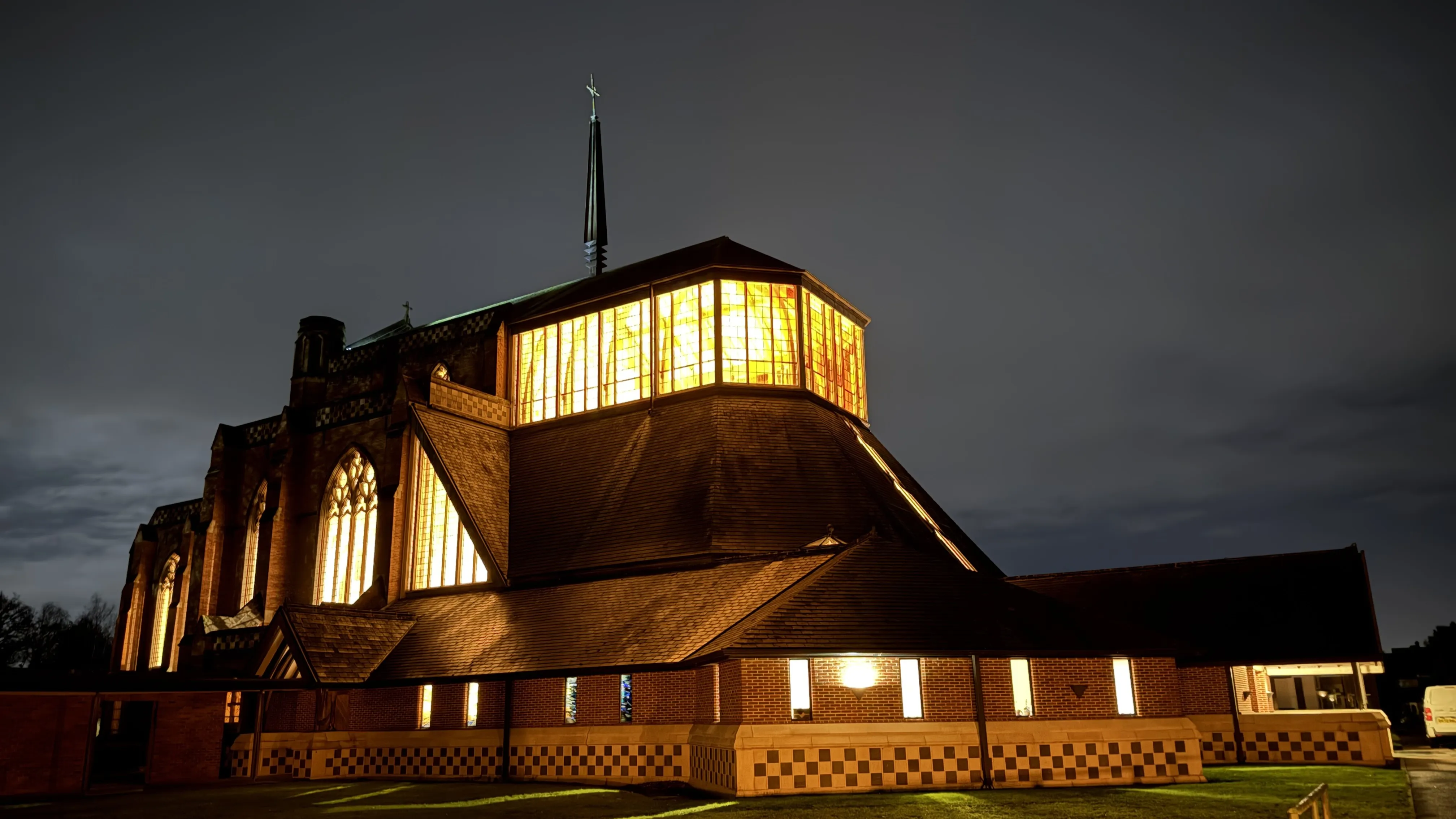
Most churches in England are not single-period buildings. They are layered places, shaped over centuries by worship, local economy, patronage, war, reform, restoration, population growth, and changing religious life.
Even the smallest parish church often contains evidence of many different periods existing side by side: a Norman doorway, medieval tower, Victorian pews, twentieth-century repairs, and modern community additions.
This gradual development is one of the defining characteristics of English churches. Rather than being designed and completed all at once, many churches evolved slowly as communities adapted them to changing needs and circumstances. Their walls and interiors therefore preserve a long and often visible history of English religious and community life.
Understanding how churches developed helps explain why they can sometimes appear architecturally mixed or historically complex. These buildings were never static. They changed alongside the people who used them.
The earliest Christian worship spaces in Britain were often modest and locally adapted.
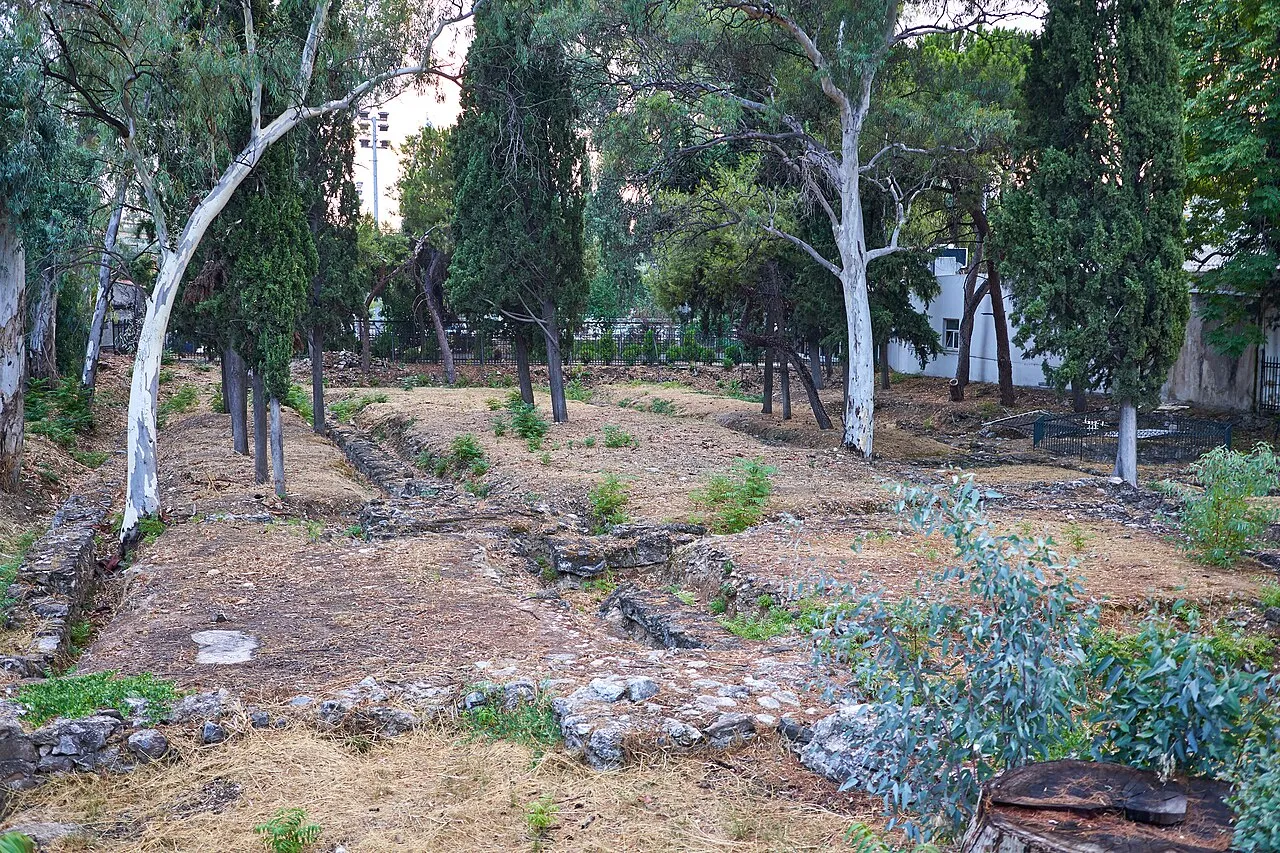
Christianity existed in Roman Britain by at least the fourth century, though little physical evidence survives of the earliest churches. Worship may have taken place in adapted domestic spaces, small chapels, or simple community buildings rather than the large stone churches many people associate with Christianity today.
Following the collapse of Roman authority in Britain, some Christian traditions survived in western regions, while later missionary efforts helped spread Christianity more widely through Anglo-Saxon England. Missions associated with figures such as Augustine of Canterbury introduced new centres of worship and organisation from the late sixth century onward.
Early churches were often constructed from timber and local materials. Some stood within existing settlements, while others emerged around monasteries, royal estates, or important burial sites. Over time, more permanent stone churches began to appear, particularly in regions where Christianity became firmly established.
These early foundations shaped later parish development in important ways. Many medieval churches still occupy sites first used for Christian worship well over a thousand years ago. Even where the original buildings have disappeared entirely, the continuity of sacred use often remained.
The parish system itself gradually emerged during this period, linking local churches to defined communities and territories. This helped establish the pattern of village and town churches that still defines much of the English landscape today.
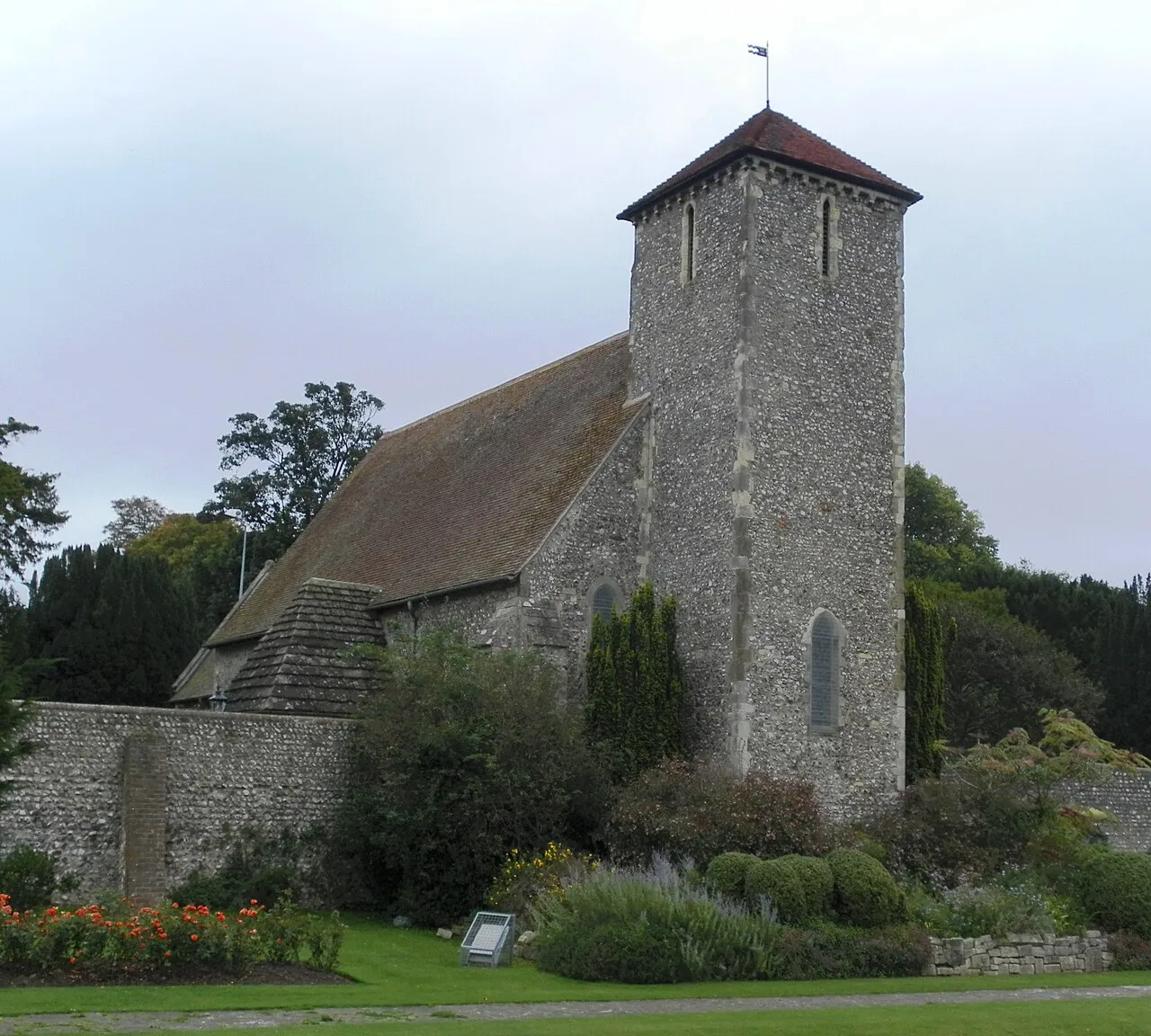
The Norman Conquest of 1066 marked a major turning point in English church building.
Across England, many earlier churches were rebuilt in stone, enlarged, or replaced entirely. Norman architecture introduced thicker walls, rounded arches, massive pillars, and more monumental forms intended to demonstrate permanence, authority, and religious order.
The medieval period that followed saw enormous church expansion. As populations grew and local economies strengthened, churches became increasingly ambitious in scale and craftsmanship. Towers, aisles, chancels, porches, chapels, and elaborate windows were added over generations, often funded by wealthy patrons, guilds, merchants, or local communities themselves.
Churches also became visual and social centres of settlements. Their towers dominated skylines, their bells structured daily life, and their interiors hosted worship, festivals, meetings, and communal gatherings. In many places, the church represented both spiritual and civic identity.
Architectural styles evolved significantly during the medieval centuries. Early Norman forms gradually gave way to Gothic architecture, with pointed arches, ribbed vaulting, larger windows, and increasingly elaborate stonework. The English Gothic tradition itself developed through several phases, including Early English, Decorated, and Perpendicular styles.
Regional variation played an important role as well. Local stone types, craft traditions, wealth, and trade networks all influenced how churches were built. A rural church in Cornwall might differ dramatically from a prosperous wool church in East Anglia, even within the same century.
Much of what people now think of as the classic English church emerged during this medieval period.
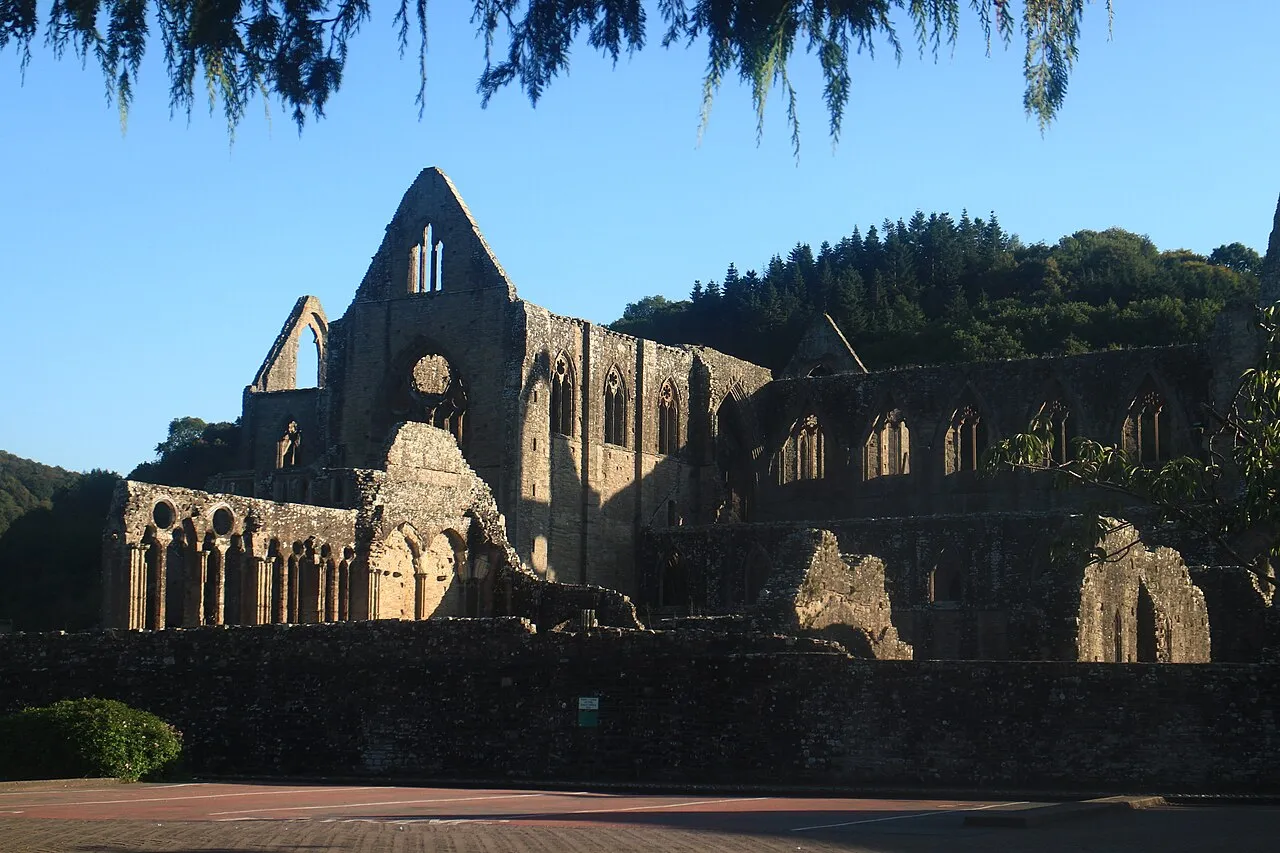
The English Reformation of the sixteenth century profoundly altered religious life, though many church buildings themselves remained in continuous use.
Changes introduced under Henry VIII and later Protestant reforms transformed worship practices, church interiors, and the role of religious imagery within parish life.
Medieval worship had often emphasised altars, saints, side chapels, processions, candles, and visual symbolism. After the Reformation, many of these elements were removed, destroyed, or reduced in importance. Wall paintings were whitewashed, statues dismantled, shrines destroyed, and rood screens altered or removed entirely.
At the same time, greater emphasis was placed on preaching and the spoken word. Pulpits became more prominent features within church interiors, and seating arrangements often shifted to focus attention toward sermons and Scripture reading.
Yet the Reformation was not experienced uniformly across England. Some communities embraced change enthusiastically, while others resisted or adapted more gradually. In many churches, traces of earlier medieval worship survived beneath later alterations, sometimes re-emerging centuries later during restoration work.
Despite theological upheaval, continuity also remained important. Parish churches continued to host baptisms, marriages, funerals, and communal gatherings. Many buildings therefore evolved through adaptation rather than complete replacement.
The result is that English churches often contain physical evidence of both medieval Catholic worship and later Protestant reform layered together within the same structure.
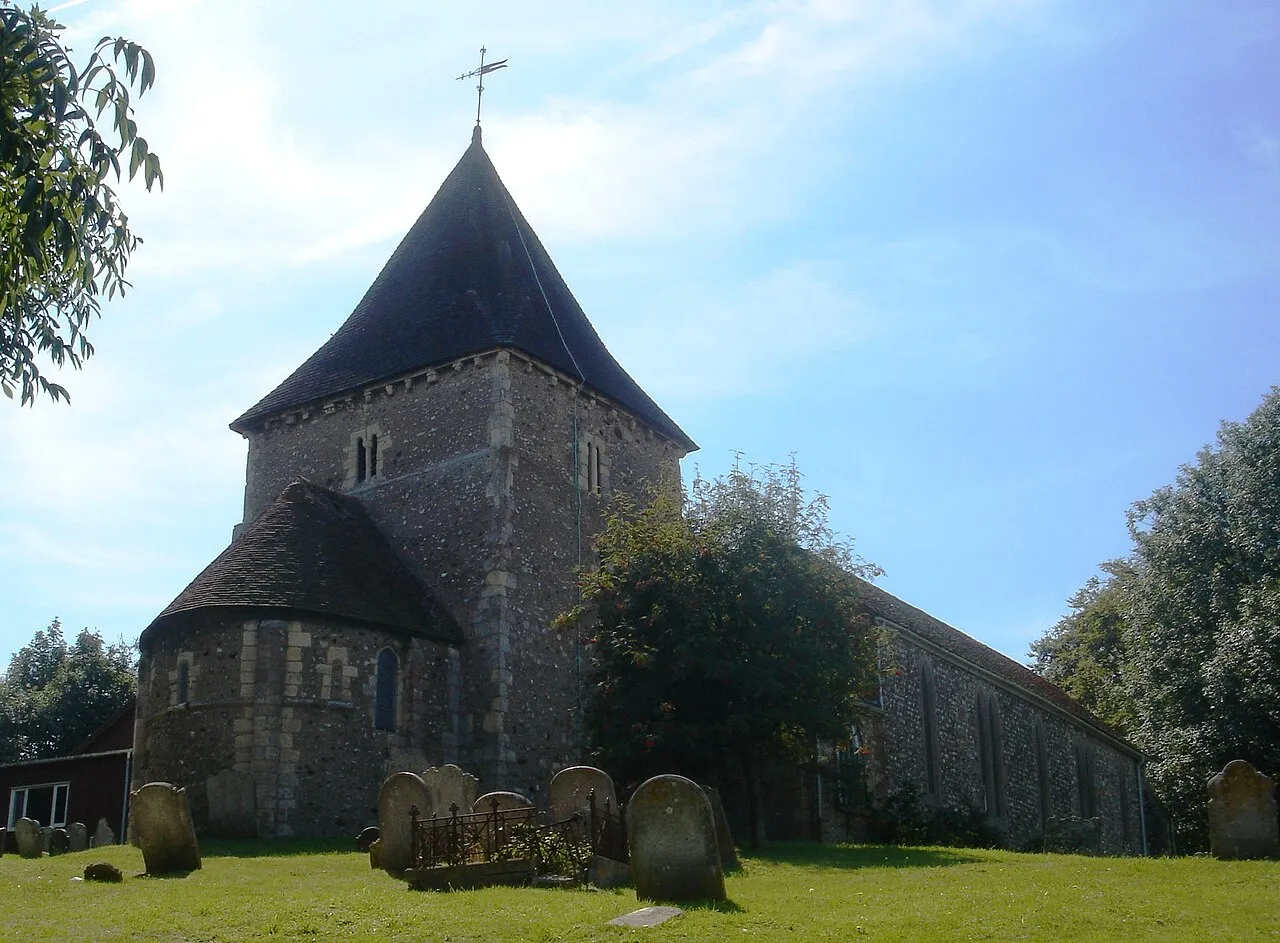
The nineteenth century transformed English churches once again.
Industrialisation, urban growth, population movement, and renewed religious interest created enormous demand for church construction and restoration.
Many medieval churches had fallen into poor repair by this period. Victorian restoration campaigns sought to revive what reformers saw as the spiritual and architectural integrity of church buildings. Influenced by Gothic Revival architects and movements such as the Cambridge Camden Society, restorers often aimed to return churches to an idealised medieval appearance.
This work produced mixed results. Some restorations carefully preserved historic fabric and rescued deteriorating buildings. Others removed centuries of later additions in pursuit of architectural purity, sometimes destroying valuable historical evidence in the process.
In rapidly expanding industrial towns and cities, entirely new churches were also constructed to serve growing populations. These buildings ranged from grand urban churches to modest mission chapels built for new working-class districts.
Because Victorian intervention was so widespread, many churches now appear more Victorian internally even when their structural origins are medieval or earlier. In many cases, the familiar appearance of English church interiors today owes as much to nineteenth-century restoration as to the medieval builders themselves.
Most English churches are layered buildings. Their mixed fabric tells a long story of theology, craftsmanship, money, changing worship, local identity, and community continuity.
Learning to read a church means recognising that different parts of the building may belong to very different periods.
Signs of change are often visible everywhere once you begin to look carefully. Variations in stone colour, blocked doorways, reused masonry, uneven rooflines, restored tracery, or surviving fragments of wall painting can all reveal earlier phases of the building's life.
Church interiors also preserve evidence of changing worship practices. The position of the font, altar, pulpit, choir stalls, screens, and seating arrangements can reflect different theological priorities across centuries.
It is equally important to remember that churches are not only historic structures. Many remain active places of worship and community gathering today. Their continuing use is part of what makes them living heritage rather than static monuments.
Every church tells a layered story. Understanding how those layers emerged allows the building to be seen not as a frozen object from a single moment in history, but as the result of centuries of continuous adaptation, care, worship, and human experience.
English churches are best understood as layered places: adapted over centuries, shaped by worship and community life, and still evolving today as living heritage.
Subscribe for updates on new stories, churches and collections.
© Church Pilgrim 2026