
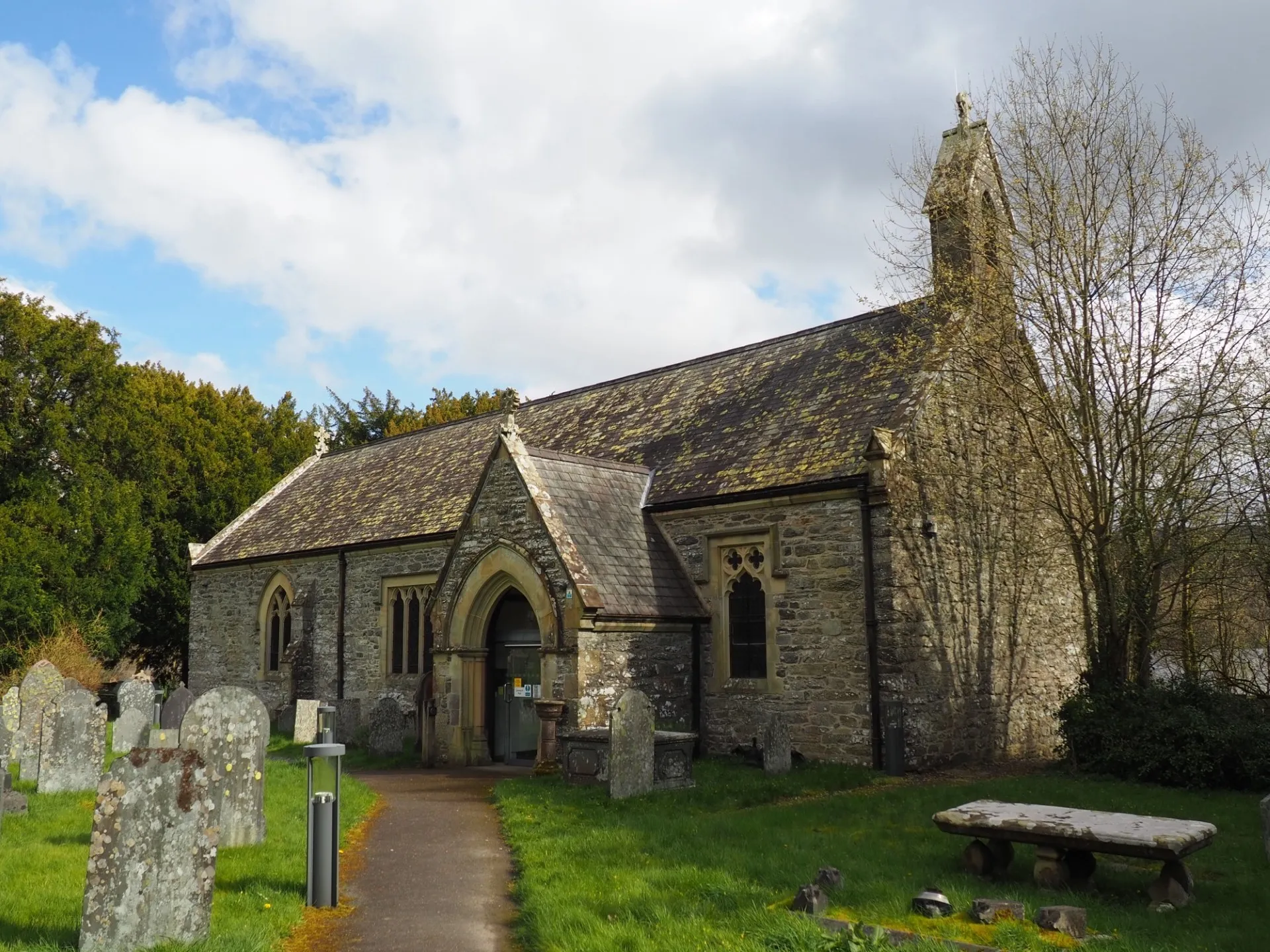
Converted Churches
7 May 2026Church Pilgrim Team9 min read
Why conversion happens, what forms it takes, and how historic value can still be respected.
Not every church remains in regular worship. Across England, changing populations, declining congregations, maintenance pressures, and wider social change have led many churches to close or be converted for new uses.
Yet even after worship ends, these buildings often remain powerful landmarks within their communities, carrying layers of memory, craftsmanship, and identity that continue long after their original function changes.
Church conversion is therefore rarely a simple question of preservation versus loss. In many cases, conversion represents an attempt to secure the long-term survival of a historic building that might otherwise fall into severe decline or disappear entirely. The challenge lies in balancing practical new use with respect for the building's historic and cultural significance.
Today, converted churches form an increasingly visible part of the English landscape. Some have become homes, libraries, galleries, cafés, community venues, or offices. Others remain partially sacred while supporting broader community activity. Together they raise important questions about heritage, continuity, memory, and how historic buildings adapt to changing societies.
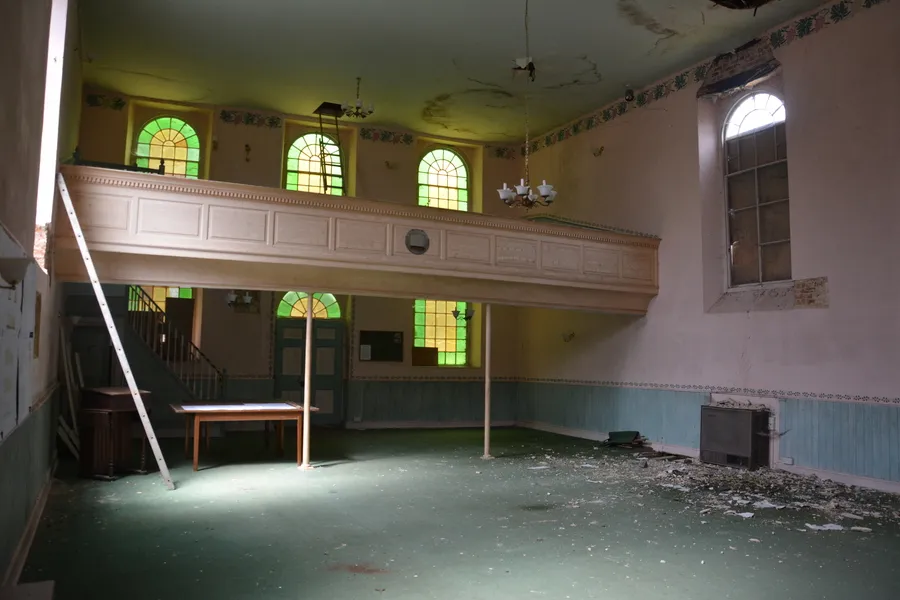
Most church closures emerge gradually rather than suddenly.
A combination of social, economic, and demographic changes can slowly reduce the viability of active parish life, particularly in areas where populations have shifted or congregations have declined over several generations.
In rural areas, shrinking village populations and rising maintenance costs can place enormous strain on small parish churches. Medieval buildings were never designed to be inexpensive to maintain. Roof repairs, stonework conservation, heating systems, insurance, accessibility improvements, and ongoing structural care can become financially overwhelming for small congregations.
Urban churches face different pressures. Industrial-era churches built to serve densely populated neighbourhoods may now stand in areas where populations have changed dramatically or where patterns of worship have shifted elsewhere. In some places, multiple nearby churches now serve far smaller congregations than they once did.
Changes in religious practice have also played a role. Across much of England, regular church attendance has declined over the twentieth and twenty-first centuries. While many churches remain active and well-supported, others have struggled to sustain the volunteer networks and financial resources needed to maintain large historic buildings.
When a church is no longer considered viable for regular worship, formal closure processes may begin. For churches within the Church of England, this often involves consultation between dioceses, heritage bodies, local authorities, and communities. Decisions are rarely straightforward because churches frequently hold deep local significance even among people who do not actively attend services.
Some churches are preserved through organisations such as The Churches Conservation Trust, which cares for historic churches no longer used for regular worship. Others move into new ownership or are adapted for alternative uses intended to secure their future.
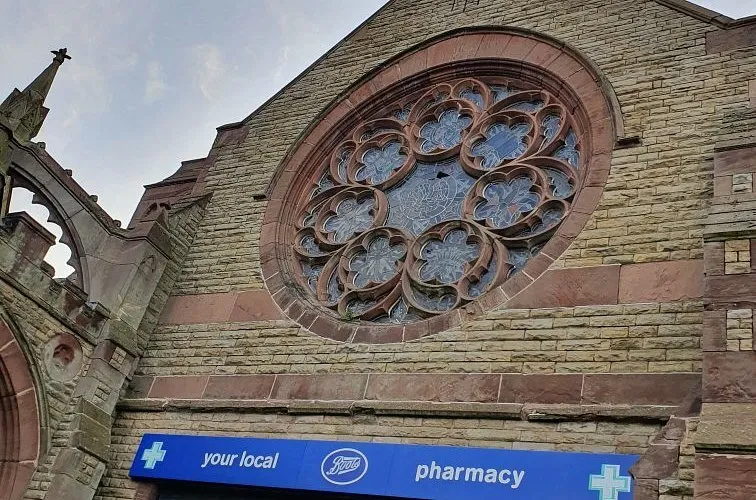
Converted churches now serve a wide variety of functions across England.
Some adaptations are highly sympathetic to the building's historic character, while others are more extensive and controversial.
One of the most common new uses is residential conversion. Large church interiors, tall windows, and dramatic roof structures can make attractive living spaces, particularly in urban areas where historic buildings are in demand. Successful residential conversions often preserve significant architectural features such as arches, stained glass, timber roofs, and stone detailing while carefully inserting modern accommodation within the existing structure.
Arts and cultural uses are also common. The acoustics and spatial qualities of church interiors make them particularly suited to music venues, galleries, theatres, and performance spaces. In some cases, former churches continue to function as places of gathering and reflection even without formal religious use.
A smaller number become offices, retail spaces, climbing centres, restaurants, or mixed-use developments. Some conversions are highly imaginative and architecturally sensitive; others are criticised for removing too much historic character or treating churches primarily as empty shells.
The most successful adaptations usually recognise that churches are not ordinary buildings. Their scale, symbolism, and relationship to local identity often require a different approach from conventional redevelopment projects.
Church conversion raises complex conservation questions because these buildings combine architectural, historical, communal, and often spiritual significance within a single structure.
One important principle is reversibility. Where possible, new additions should be capable of being removed in future without causing irreversible damage to the historic fabric. This allows later generations flexibility if the building's use changes again.
The treatment of memorials and funerary monuments can also be sensitive. Many churches contain plaques, tombs, gravestones, war memorials, and inscriptions connected to generations of local families. Even after closure, these elements often remain important to communities and descendants.
Historic visibility matters as well. Successful conversion usually allows visitors and occupants to continue reading the building's original form and history. Features such as nave proportions, roof structures, windows, towers, and chancels often help preserve the identity of the church even when its function changes.
Planning controls play a significant role in protecting historic churches, particularly listed buildings. Listed status can restrict inappropriate alterations and encourage conservation-led approaches, though tensions sometimes emerge between preservation requirements and financial viability.
There is also an ongoing debate about how much change is acceptable. Some argue that extensive adaptation risks erasing the sacred and historical character of churches. Others contend that sensitive reuse is preferable to abandonment and long-term decay.
In practice, many conversions involve compromise. The challenge is finding a balance between preserving heritage value and giving the building a sustainable future.
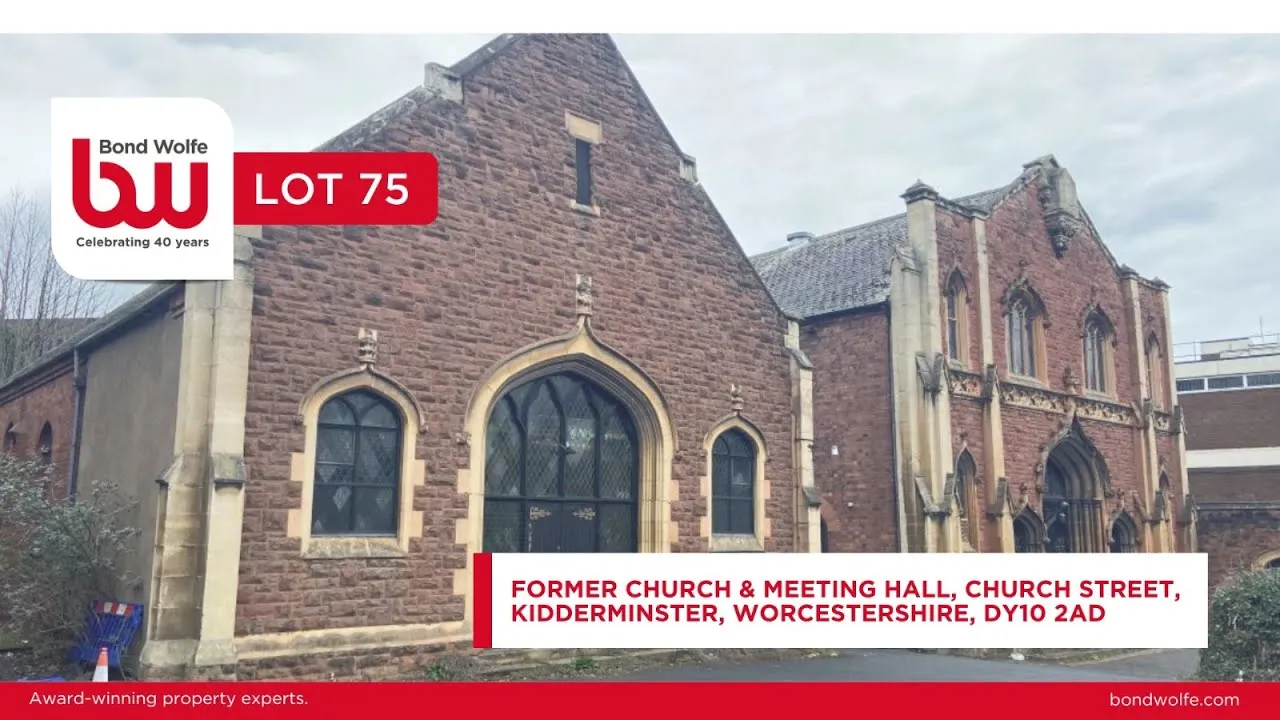
Even where worship ceases, converted churches often remain deeply important to local communities.
Their towers still shape skylines, their churchyards still hold memory, and their buildings continue to anchor local identity within towns and villages.
For many people, the significance of a church extends beyond active religious practice. This is why church conversion can provoke strong emotions. Communities are rarely responding only to the loss of religious function. They are often responding to the transformation of a place woven into the emotional and historical fabric of local life.
At the same time, conversion can also represent continuity rather than disappearance. A carefully adapted church may remain occupied, maintained, and publicly valued rather than abandoned or demolished. In some cases, new uses introduce people to historic buildings they might otherwise never enter.
Converted churches therefore occupy an unusual position within heritage discussions. They are neither entirely preserved in their original state nor entirely detached from their past. Instead, they continue evolving, carrying traces of earlier sacred purpose into new forms of use and community life.
These buildings continue to tell stories about faith, society, architecture, memory, and adaptation. Their survival, even in altered form, reflects the long and ongoing relationship between communities and the places they build, preserve, and inherit.
Converted churches are places where change and continuity meet. Their function may shift, but their historical, communal, and architectural meaning often endures in new forms.
Subscribe for updates on new stories, churches and collections.
© Church Pilgrim 2026