A Common Pilgrimage Route in England
7 May 2026Church Pilgrim Team8 min read
An introduction to the Pilgrims' Way and why it remains one of England's most recognisable pilgrimage journeys.
Across England, pilgrimage routes connected places of worship, local communities, and long-distance devotional travel. Among the most well known is the Pilgrims' Way. This article follows the route from Winchester to Canterbury and explores why it remains one of England's most evocative historic journeys.
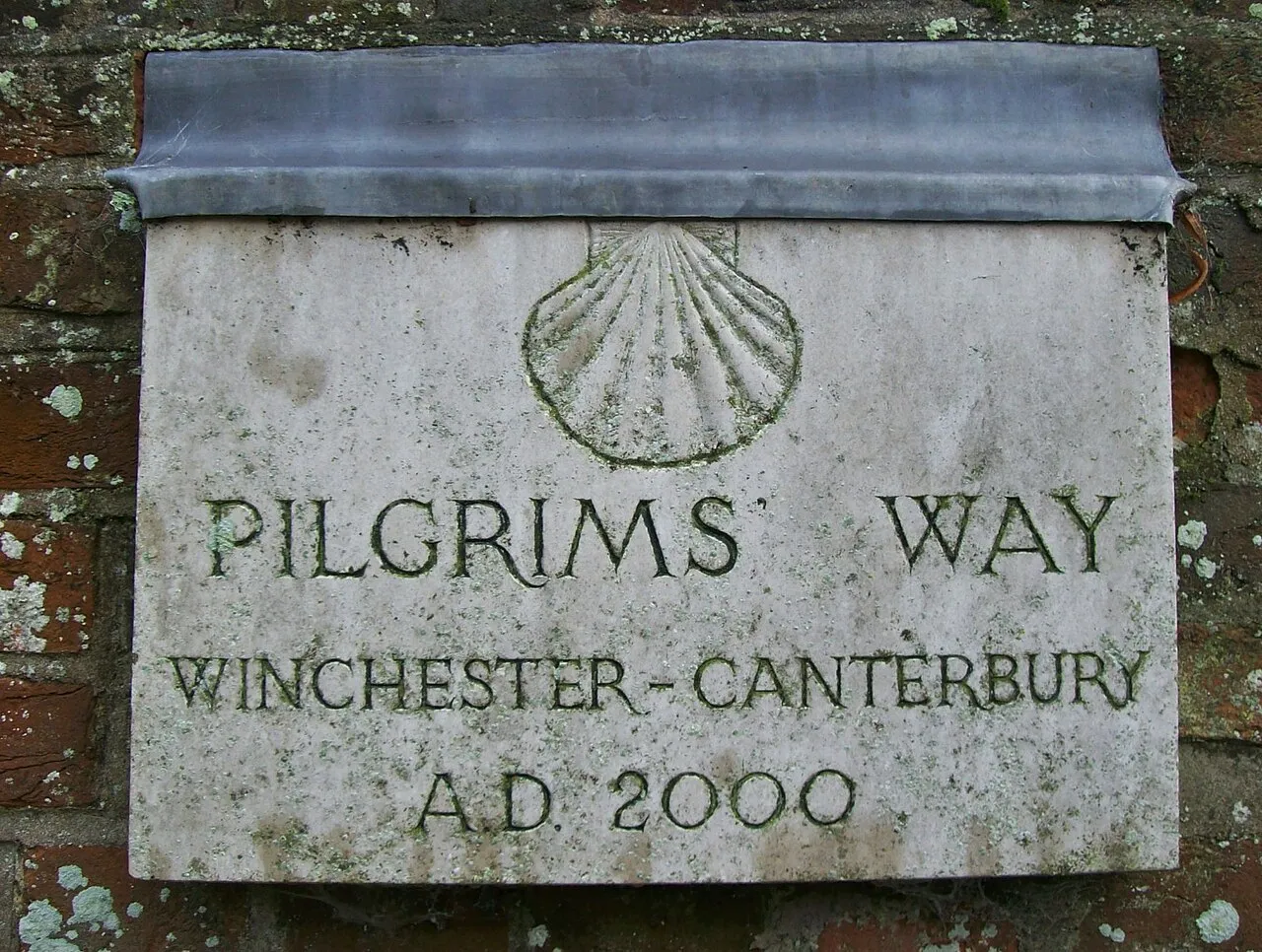
For centuries, travellers have crossed southern England along a network of paths now collectively known as the Pilgrims' Way.
Stretching from Winchester to Canterbury, the route passes through downs, woodlands, villages, ancient churches, and some of the most historically significant religious sites in the country.
Although often associated with medieval pilgrimage to the shrine of Thomas Becket at Canterbury Cathedral, the route itself is far older than the medieval pilgrims who later walked it.
Today, the 133 mile Pilgrims' Way remains one of the most evocative historic journeys in England, offering not only a long-distance walk, but a way of encountering the religious, cultural, and human history embedded within the landscape.
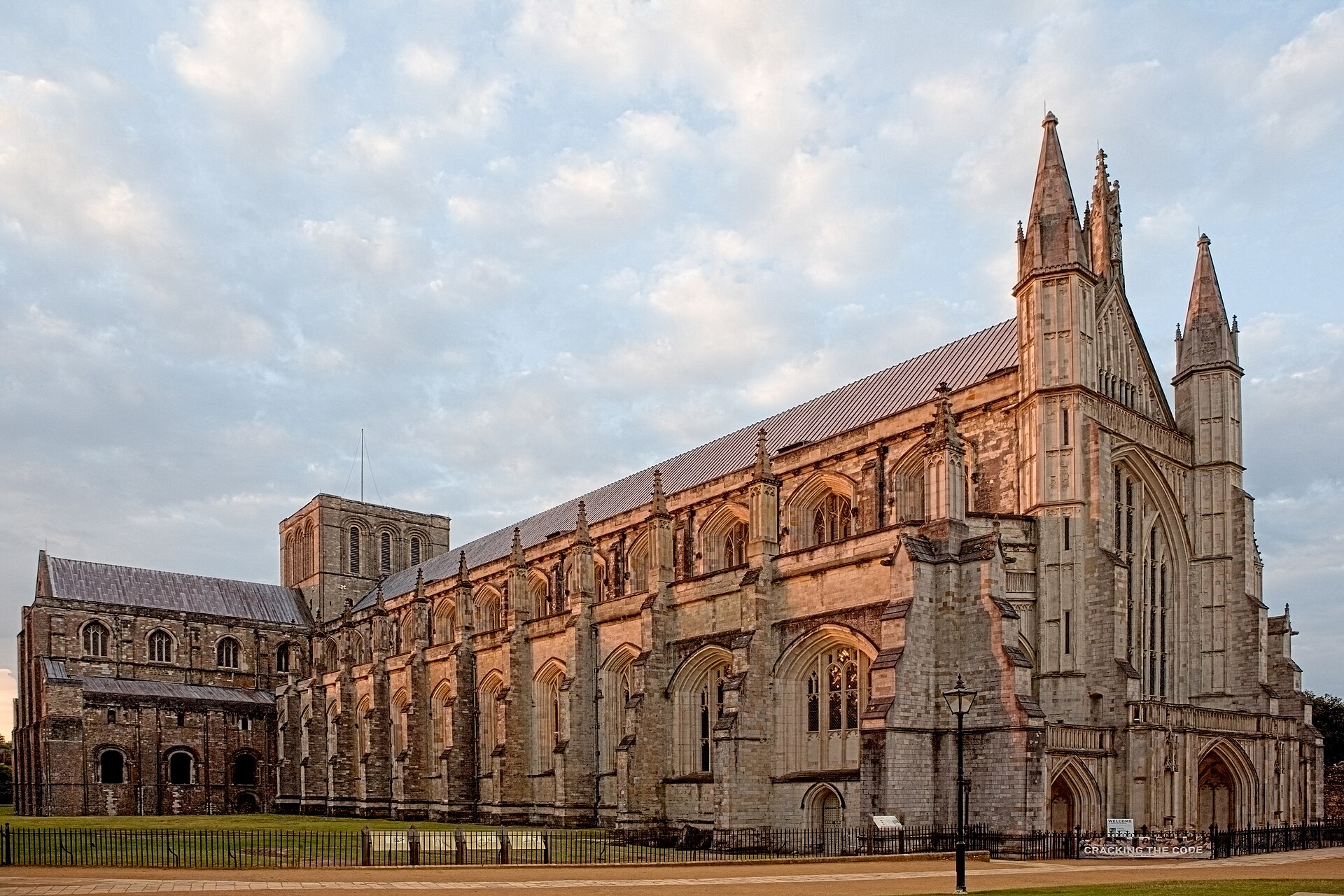
The traditional western starting point of the Pilgrims' Way is Winchester Cathedral, one of the greatest medieval cathedrals in Europe and the historic seat of the ancient kingdom of Wessex. From there, the route gradually moves eastward through Hampshire, Surrey, and Kent before finally reaching Canterbury.
The route largely follows the chalk escarpments and ancient trackways running beneath the North Downs. In some areas it passes through quiet countryside almost unchanged in character for centuries; in others it intersects with modern roads, towns, and villages that have grown around the older paths.
Unlike many modern walking routes designed primarily for recreation, the Pilgrims' Way carries layers of accumulated meaning.
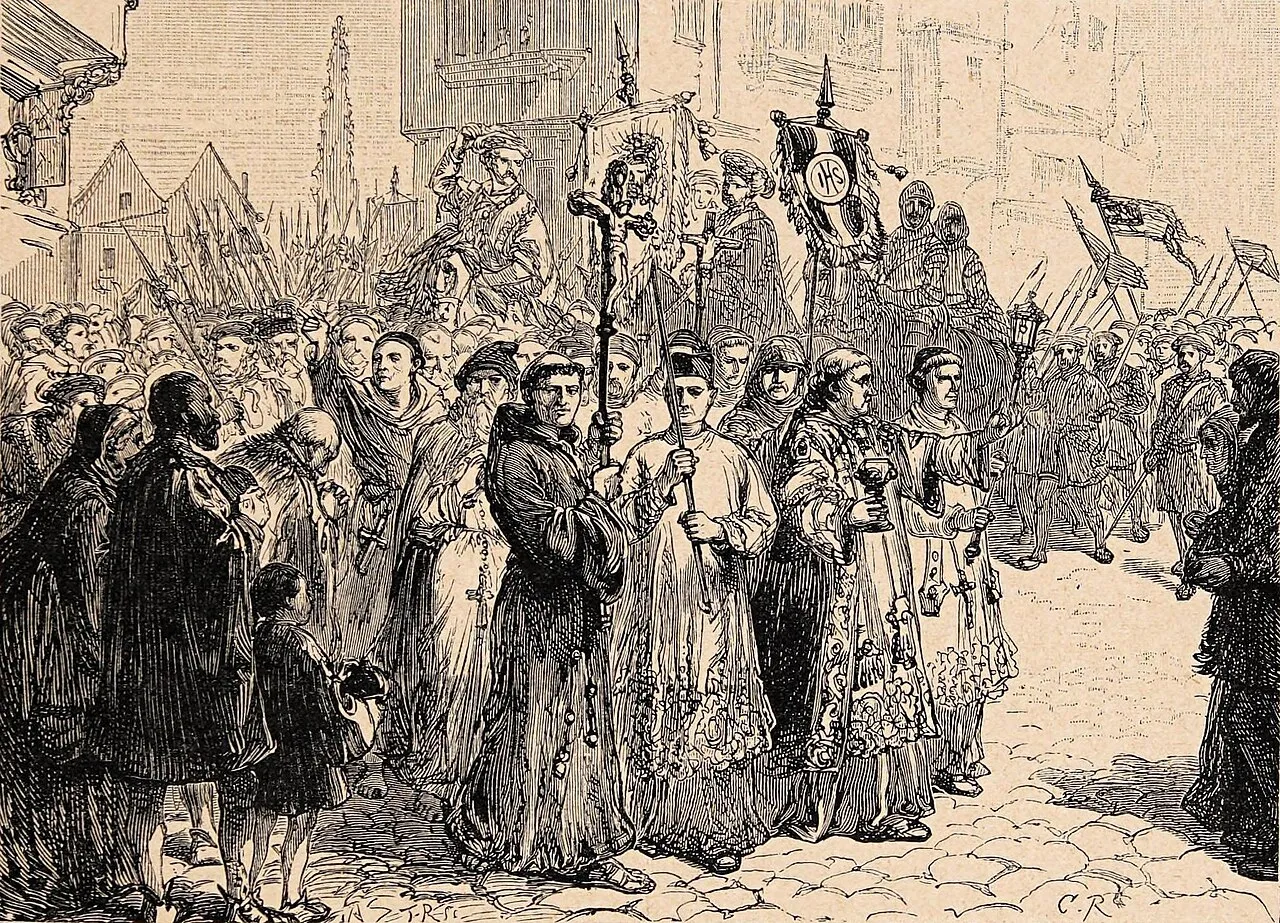
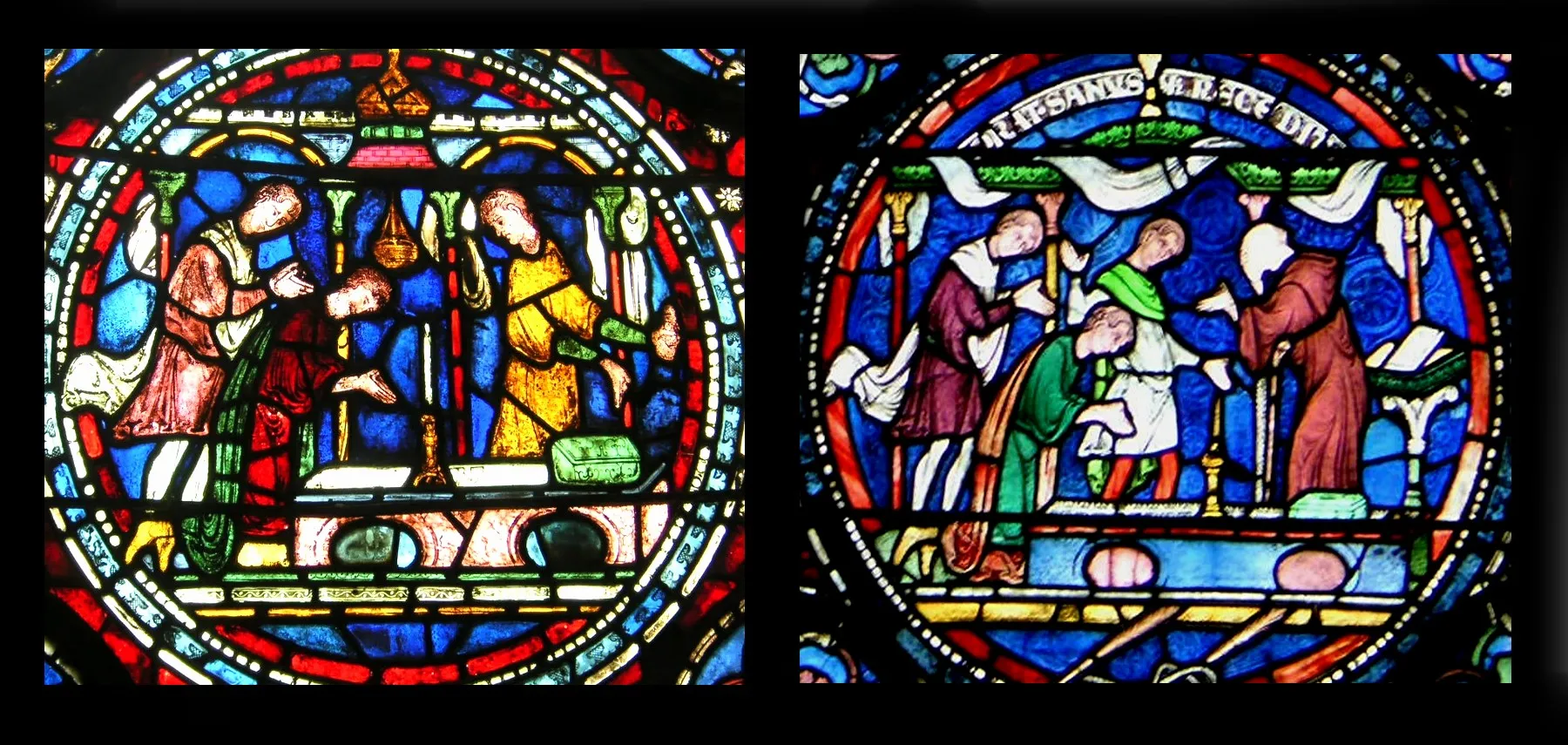
The modern idea of the Pilgrims' Way is closely tied to medieval pilgrimage to Canterbury following the murder of Thomas Becket in 1170.
As Archbishop of Canterbury, Becket became one of the most important saints in medieval Europe after his death within Canterbury Cathedral. Pilgrims travelled from across England and the continent to visit his shrine, seeking healing, forgiveness, or spiritual devotion.
Yet historians generally agree that the route itself predates medieval Christianity. Long before pilgrims walked toward Canterbury, ancient trackways already crossed the southern chalk downs of England. These paths were likely used for trade, seasonal movement, and communication across prehistoric and Roman Britain.
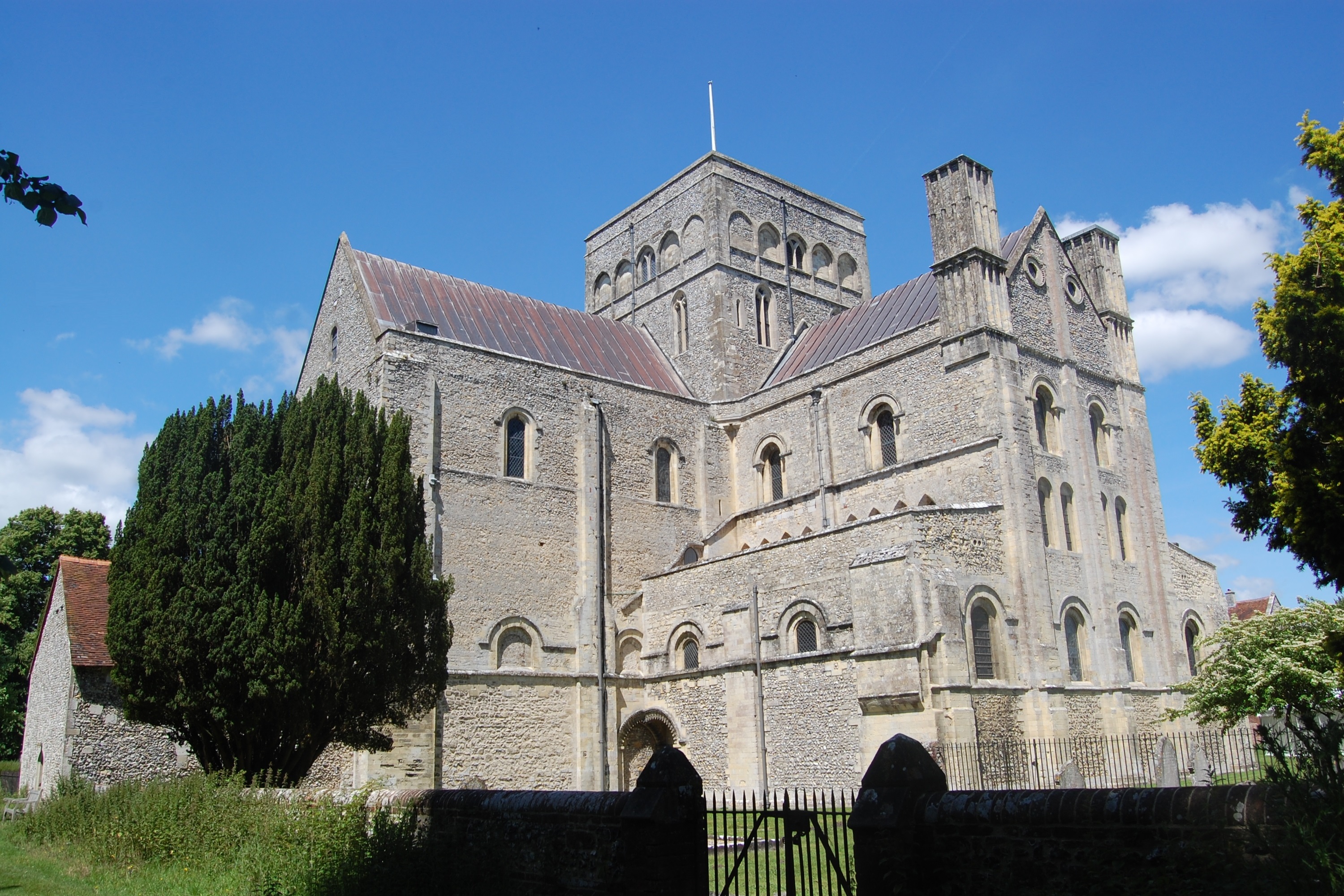
The medieval pilgrimage tradition gradually layered new religious significance onto these much older routes. Inns, churches, bridges, hospitals, and shrines developed along the way to support travellers. Places such as the Hospital of St Cross near Winchester offered hospitality and care to pilgrims beginning their journey eastward.
The Pilgrims' Way also reflects a wider medieval understanding of pilgrimage itself. Pilgrimage was not simply travel. It was understood as a physical expression of spiritual movement: a deliberate departure from ordinary life toward a sacred destination. The hardship of the road formed part of the meaning of the journey.
Following the English Reformation, pilgrimage practices declined sharply, and many shrines associated with pilgrimage were destroyed or suppressed. The shrine of Thomas Becket at Canterbury was dismantled in 1538 under Henry VIII. Yet the route itself survived within the landscape and local memory, eventually re-emerging in later centuries as both a historical and walking route.
Today, the Pilgrims' Way attracts walkers for many different reasons.
Some approach it as a historical journey, others as a spiritual or reflective experience, while many are simply drawn by the beauty of the landscape and churches along the route.
One of the most striking aspects of walking the Pilgrims' Way is the continuity it creates with earlier generations. In many places, the route still passes through ancient churchyards, along old hollow ways, and beneath ridgelines that medieval travellers would immediately recognise. The experience encourages a slower engagement with the landscape and its history.
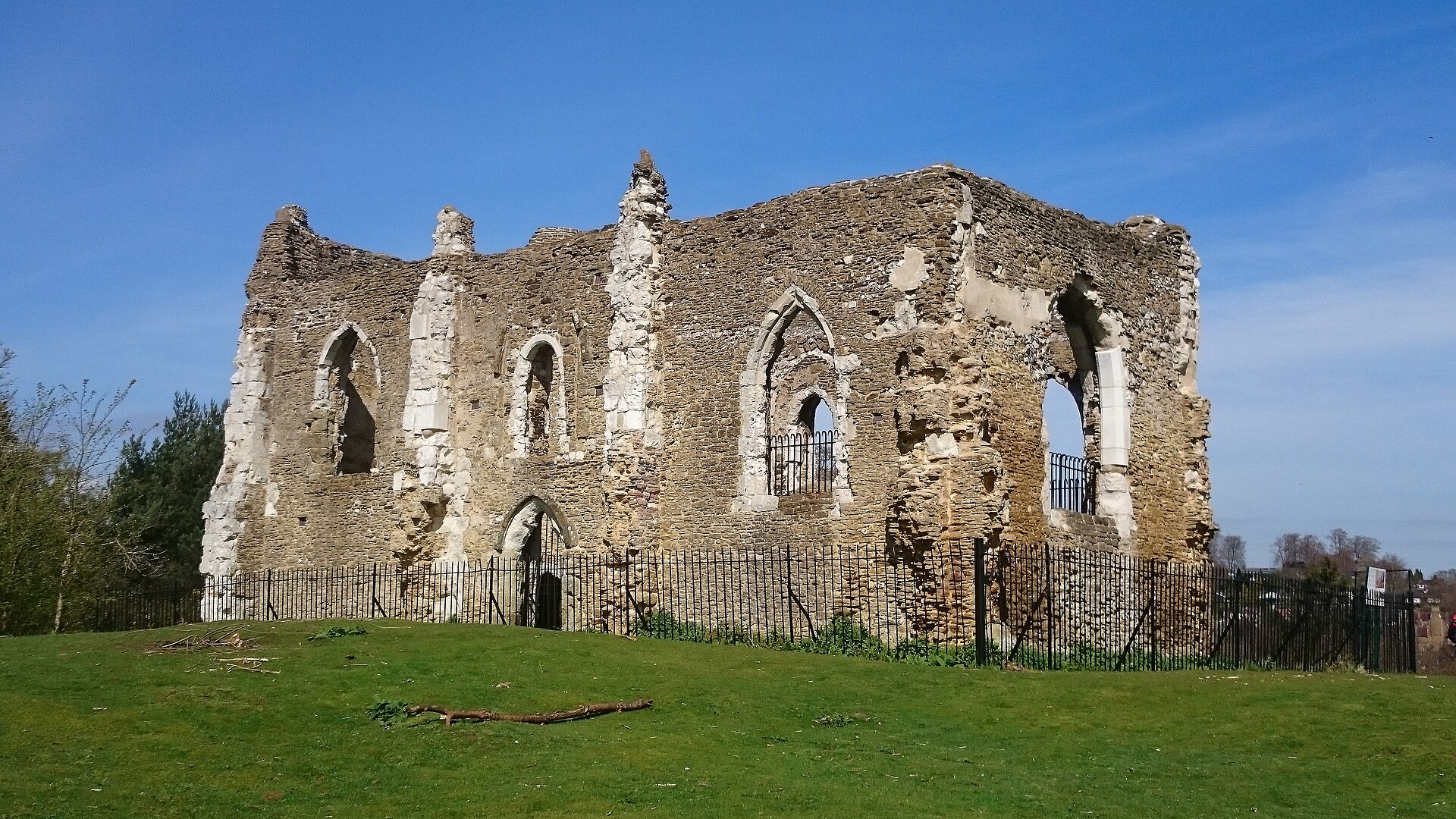
The churches encountered along the route are often central to that experience. Some remain active parish churches; others feel quieter and more isolated. Together they reveal how deeply Christianity shaped the physical and social geography of England across centuries.
Walking the route today also highlights the idea of living heritage. These are not merely preserved monuments frozen in time. Many churches along the Pilgrims' Way continue to host worship, local events, remembrance services, and community gatherings. The route therefore connects not only the past, but the continuing life of these places in the present.
For modern walkers, the Pilgrims' Way offers something increasingly rare: a journey that combines history, landscape, architecture, memory, and reflection into a single continuous experience. Whether completed in full or explored in shorter sections, it remains one of England's most enduring historic paths.
Explore church listings connected to this route theme:
The Pilgrims' Way links history, landscape, faith, and memory across southern England, and remains a powerful way to experience both historic and living church heritage.
Subscribe for updates on new stories, churches and collections.
© Church Pilgrim 2026